
Last updated November 21, 2026
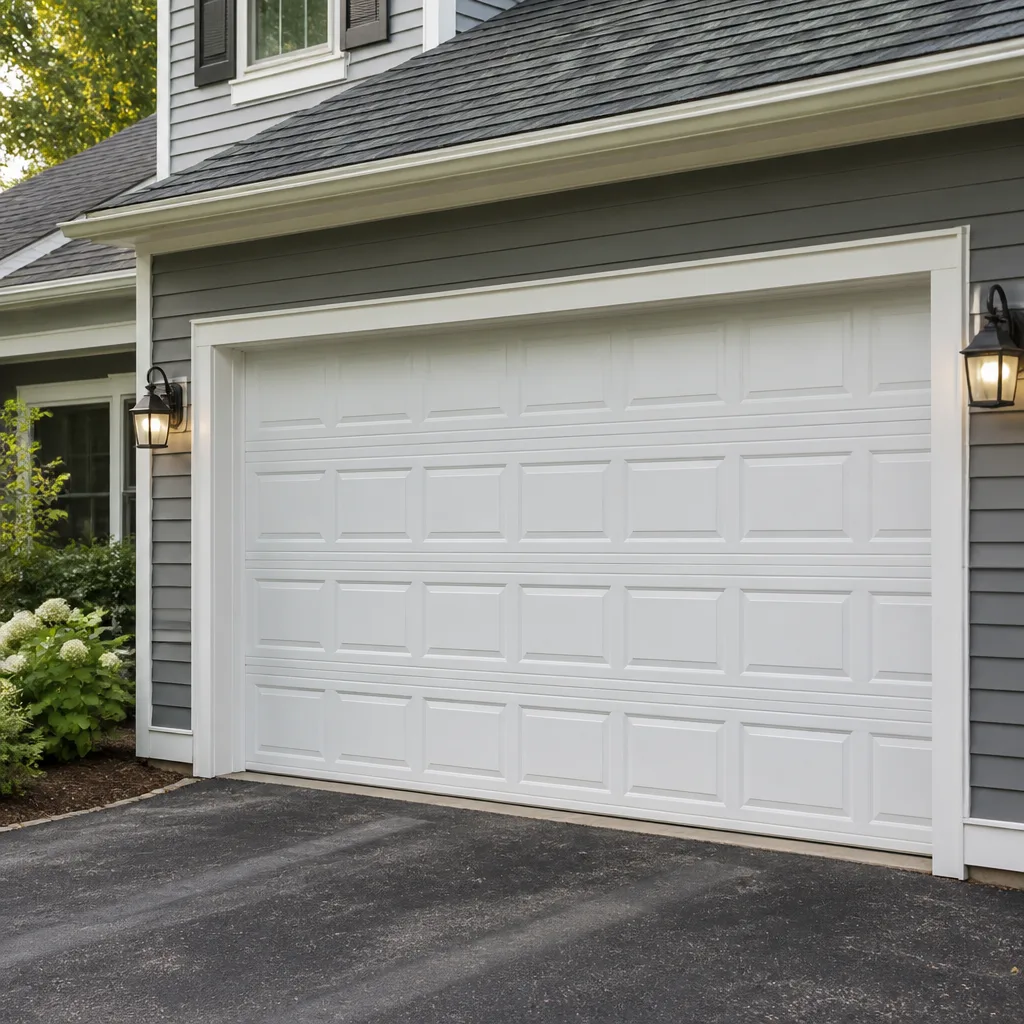 Raised-panel steel
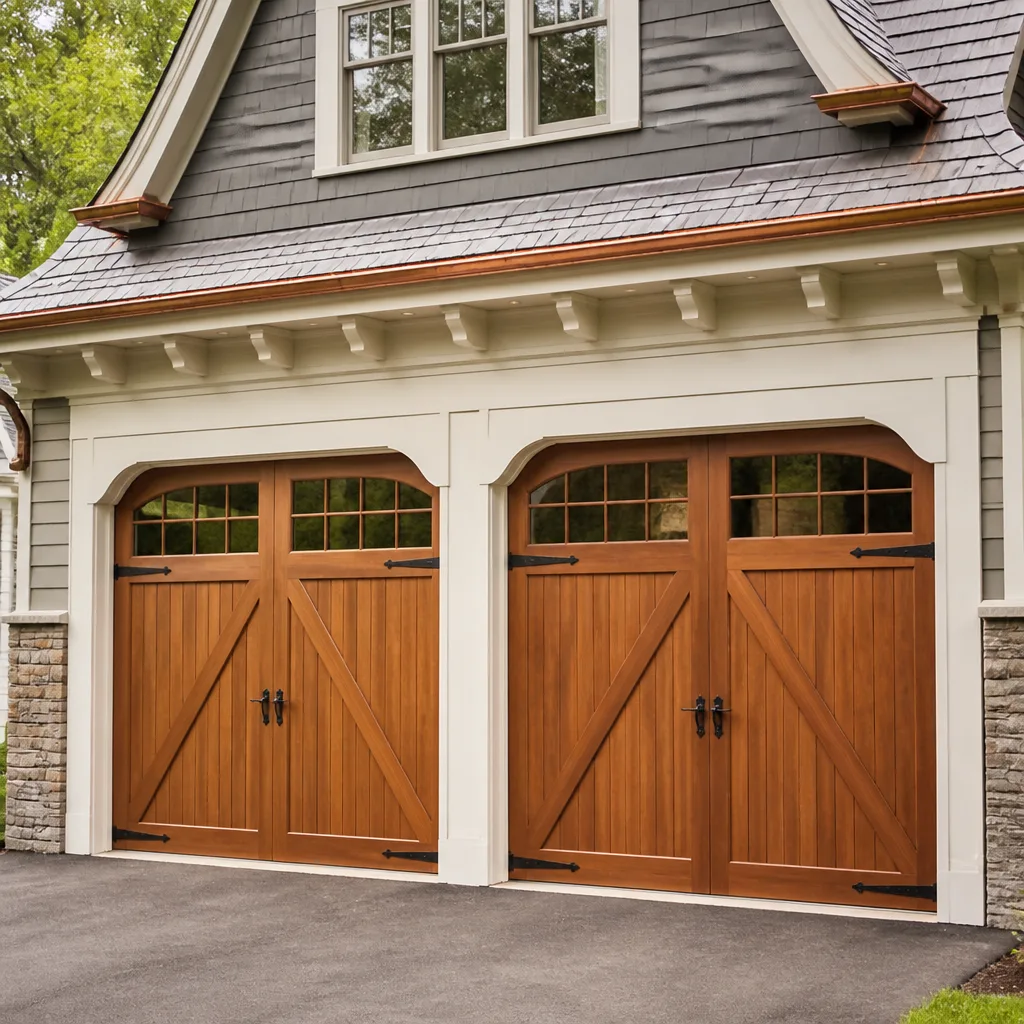 Carriage house
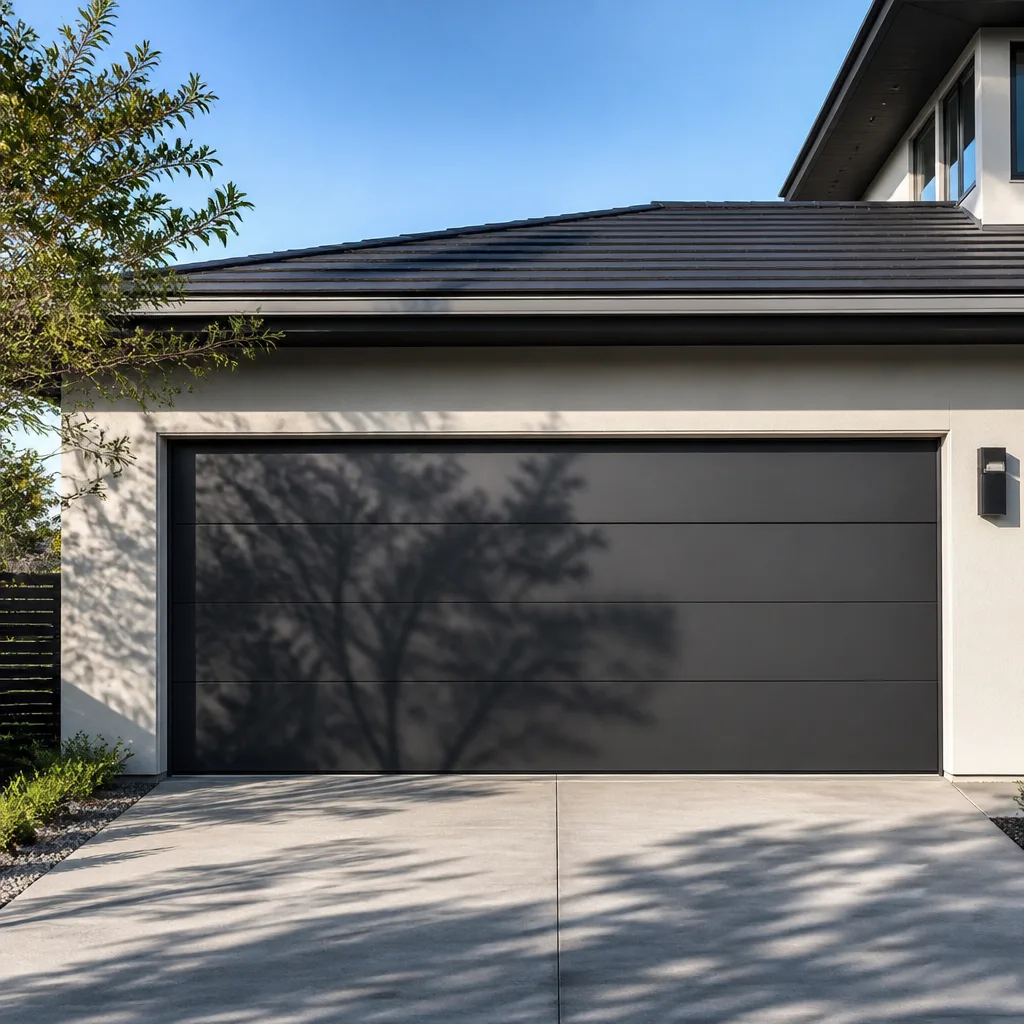 Modern flush
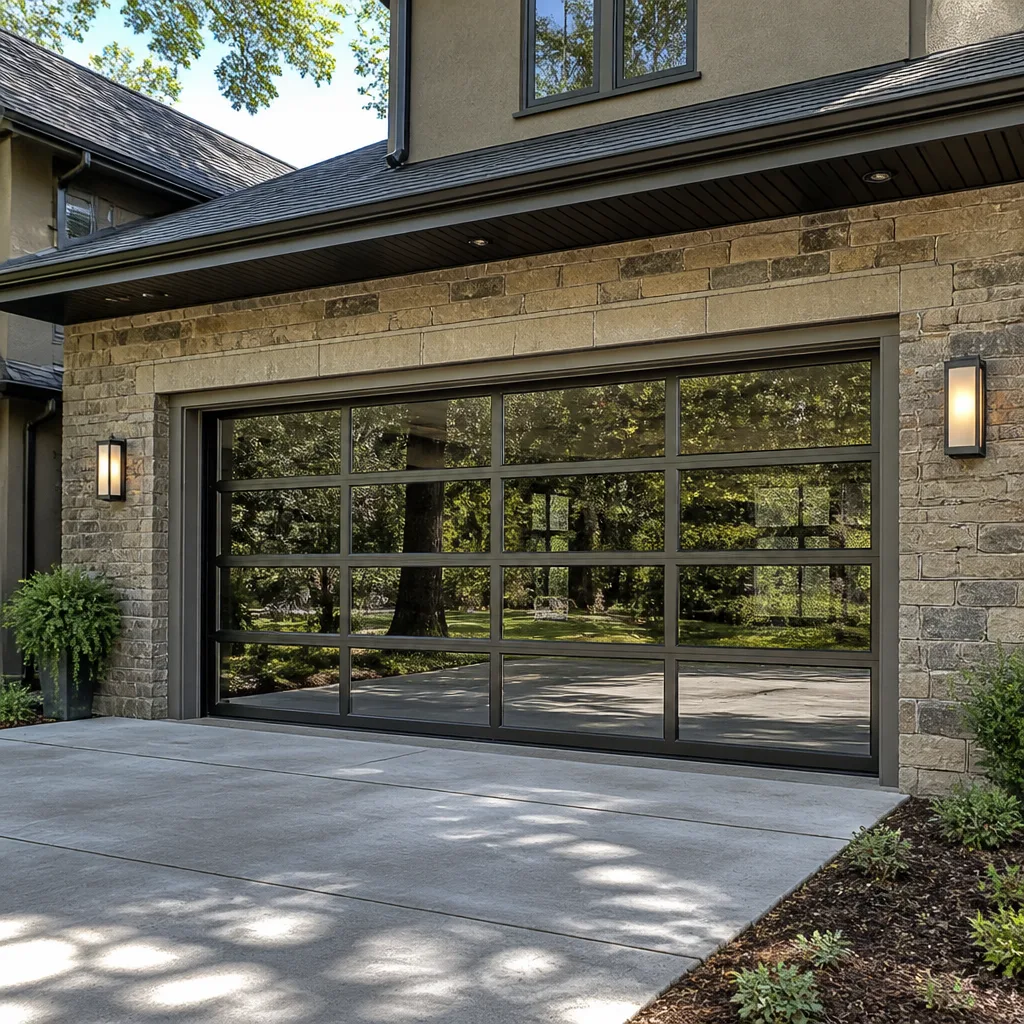 Full-view glass
 LiftMaster openers
 Chamberlain openers
Full 25-point door and opener safety check with every visit - springs, cables, rollers, tracks, and your LiftMaster or Chamberlain opener included
You get a price before we start. It does not change when the pro arrives.
Get your free estimateSeasonal Garage Door Care for Kirkland: Year-Round Homeowner’s Guide
Most seasonal garage door checklists are written for a climate that gets four equal seasons. Kirkland doesn’t have that. What we get is a long dry stretch from roughly July into September, a wet season that runs from October into May, and a short cold window in January where temperatures can drop below freezing for a few nights and then let go. That shape matters, because the damage you find in October was usually done in August, and the freeze damage you find in February was set up by a seal you didn’t replace in the fall. This guide walks through what each part of the Kirkland year does to your door, and what to actually check before the weather turns.
Quick Answer
In Kirkland, the highest-value seasonal garage door care is: replace or reseal the bottom seal before the October rains, keep the door from freezing to the ground during January’s cold nights, check tracks and wood panels for swelling and rust after the wet season ends, and protect the finish from summer UV on south- and west-facing doors. Test the manual release once a year so it works when you need it.
Styles & brands we work with
- Raised-panel steel
- Carriage house
- Modern flush
- Full-view glass
- LiftMaster openers
- Chamberlain openers
Table of Contents
- Why Kirkland’s Seasons Don’t Match the Standard Checklist
- Fall: Catching Dry-Summer Damage Before the Rains
- Winter: The January Freeze Window and Freeze-to-Ground Events
- Spring: Post-Rain Inspection for Rust, Swelling, and Opener Drift
- Summer: UV, Heat, and Lubrication in Dry Weather
- The Annual Task Almost Everyone Skips: Testing the Manual Release
- A Month-by-Month Care Calendar for Kirkland Homeowners
- Common Mistakes to Avoid
- When to Call a Professional
- Frequently Asked Questions
Why Kirkland’s Seasons Don’t Match the Standard Checklist
Search for “seasonal garage door maintenance” and you’ll get advice built around heavy snow loads, hard freeze-thaw cycles, and long ice seasons. That advice assumes a climate where winter is the main event. Kirkland’s winter is mostly rain, with a short cold spell that may only last a handful of nights in January. The bigger stress on your door here is the transition periods, when temperature and humidity swing quickly and the materials have to move.
Here’s what that means in practice for a door in Kirkland:
- Moisture is the primary enemy, not cold. Six or seven months of wet weather works on track hardware, hinges, rollers, and any wood components. Rust starts on the small parts long before it’s visible on the panels.
- The dry summer is harder on rubber and finish than homeowners expect. Long stretches with no rain and strong sun break down bottom seals and fade factory finishes, especially on doors that face south or west.
- The freeze window is narrow but it’s real. January lows in the Kirkland area do drop below freezing. A door that’s been wet for months and then sits against a frozen driveway surface can freeze to the ground.
- Openers drift with temperature. Limit switches and force settings that were correct in July can be slightly off in January. That shows up as a door that reverses partway down or stops short of the floor.
If you keep that in mind, seasonal care in Kirkland becomes less about winterizing and more about timing: get ahead of the rain in the fall, protect against the freeze in January, inspect after the wet season in spring, and protect against sun and dryness in summer.
Fall: Catching Dry-Summer Damage Before the Rains
October in Kirkland isn’t about preparing for snow. It’s about finding the damage a dry summer did to your rubber seals and closing up every gap before six months of rain starts testing it. The bottom seal is the first thing to look at, because it takes the most abuse and it’s the cheapest thing to fix before the wet season.
What happens to a bottom seal over a Kirkland summer: the rubber sits in sun and dry air for weeks, which hardens it and causes it to lose elasticity. On a south- or west-facing garage, where the door gets direct afternoon sun, the seal can also warp or develop a wave along its length, so it no longer sits flat on the concrete. A seal in that condition is a poor barrier against rain, wind-driven water, and cold air. It also chatters against the floor as the door moves.
Your fall checklist:
- Run the door down and look at the seal from the inside. Any daylight showing under the door is a gap. A wave, a flattened section, or cracked rubber means replacement, not just adjustment.
- Check the seal’s ends. If the rubber is pulling out of the retainer at either side, water gets in behind it.
- Look at the bottom corners of the door panels. Summer heat plus a hard seal can put stress on the panel corner. Rust or soft wood there gets worse once it’s wet.
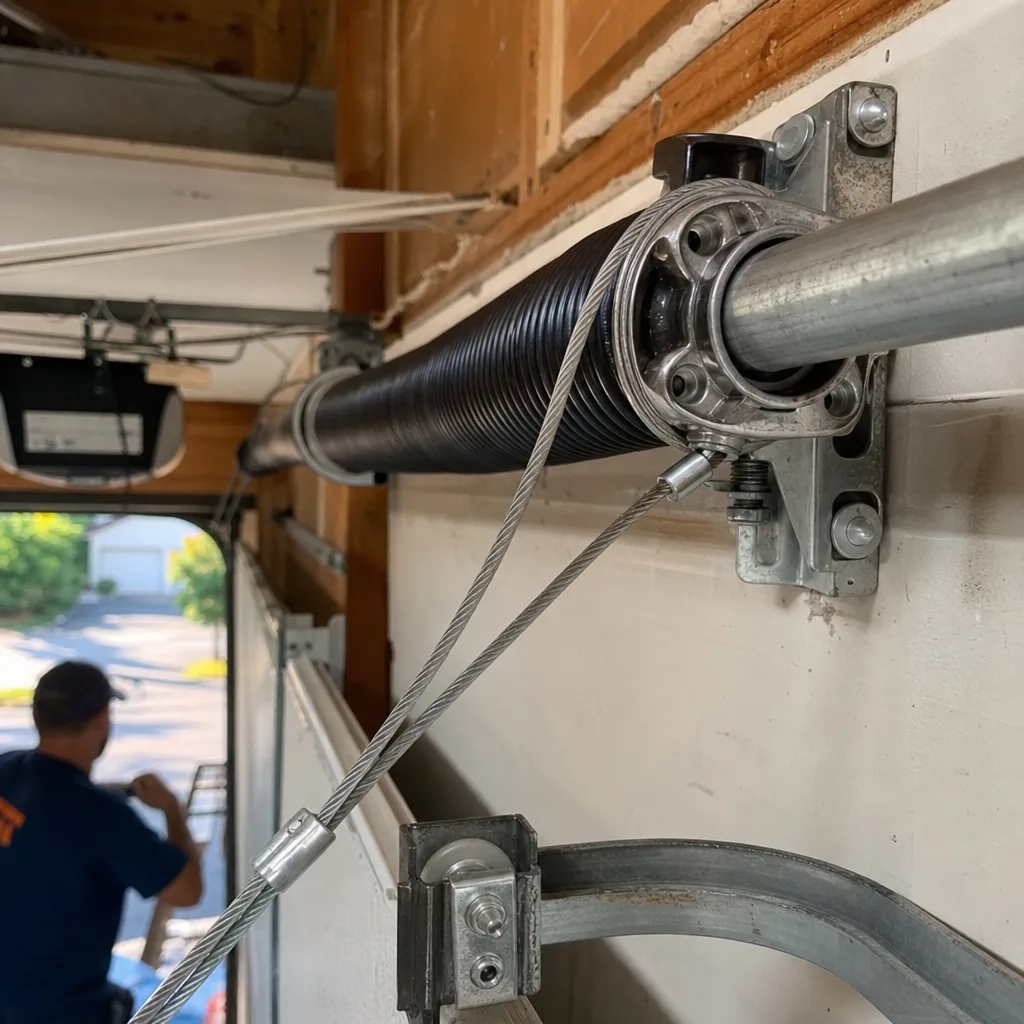
- Lubricate hinges, rollers, and the torsion springs. A proper garage door lubricant on metal-to-metal contact points, done before the rain, saves wear over the wet months. Avoid greasing the tracks themselves.
- Clear debris from the door’s path and the weather seal on the sides and top. Fallen leaves and grit under a seal hold moisture against the door.
On the Eastside, a lot of garages face the street with a slope in front of them, so water runs toward the door rather than away from it. If your driveway pitches toward the garage, this is the time to make sure the seal is actually doing its job, because a warped seal on a sloped driveway is where most fall water intrusion starts. Proper seal replacement is a straightforward job, and it’s one of the repairs we handle routinely.
Winter: The January Freeze Window and Freeze-to-Ground Events
Kirkland’s cold season is short, but January can bring nights cold enough to freeze the ground and anything sitting on it. A garage door bottom seal that’s been wet for months can freeze to the concrete, and the next time the opener runs, the seal tears or the door strains against the motor. Preventing that is simple if you know the signs.
First, understand when it’s a risk. A freeze-to-ground event needs two things: a wet seal in contact with the ground and a drop below freezing overnight. In Kirkland that’s mostly a January pattern, but a cold snap in December or February can do it too. The morning after a cold night, if the door sounds like it’s pulling hard for the first inch of travel, or you hear a tearing sound at the bottom, stop and look before running it again.
How to protect against it without damaging the seal:
- Keep the seal clean and dry at the bottom. Mud, leaves, and grit trap water against the concrete. A clean seal has less to freeze to.
- Make sure the door isn’t compressing the seal hard into the floor. A properly set down limit leaves the seal in contact without mashing it flat. If the opener drives the door down with force, the seal squashes against the concrete and holds moisture.
- Clear standing water from the door’s path before a cold night. If your driveway slopes toward the garage, water pools there. A quick sweep before a forecast freeze helps more than most people expect.
- Don’t force a frozen door open. If the door is stuck to the ground, disengage the opener and free the seal gently by hand. Pulling with the motor strains the opener’s gears and can snap a spring.
Also watch the opener in winter. Cold makes the door panels and hardware stiffer, and the opener’s force setting that worked in summer can now be marginal. If the door reverses on the way down or stops before reaching the floor, that’s usually a limit switch or force setting issue, not a broken spring. Adjusting an opener setting is a job for someone who knows the system, especially on older Craftsman and Genie units where the adjustment screws and travel limits vary by model.
Spring: Post-Rain Inspection for Rust, Swelling, and Opener Drift
By March or April in Kirkland, the door has been through months of wet weather. Spring inspection is about finding what the rain did. Three things go wrong more often here than in dry climates: track rust, wood panel swelling, and opener sensitivity drift.
Track rust. Steel tracks rust at the points where paint has worn thin, usually the roller grooves and the brackets. Light surface rust is a cosmetic issue. Rust that has eaten into the track surface changes the roller’s path and causes rattling, jerky travel, or rollers that wear faster. Wipe down a rusty track and look for pitting; if you can feel a rough edge in the groove, the rollers won’t run smoothly on it.
Wood panel swelling. If your door is wood or wood-composite, moisture at the bottom and side edges causes the material to swell and the paint film to fail. On doors branded Clopay or Amarr with wood-look composite construction, the current models are engineered to resist this, but older wood doors and any door with a compromised paint film still swell at the edges. The fix is to catch it early: sand, reseal, and repaint the affected edge before water gets behind the finish. If the panels have already swelled and the door no longer closes flush, that’s a replacement conversation.
Opener sensitivity drift. Temperature changes affect the force required to move the door. The opener’s force setting and travel limits that were correct in fall can be slightly off in spring, which shows up as a door that reverses on the way down or doesn’t quite reach the floor. On modern LiftMaster and Chamberlain units with myQ, the app may show a fault or a door that won’t fully close. On older units, the adjustment is a set of screws on the back of the housing. Checking and adjusting force and travel limits is something we do as part of garage door opener repair, and it’s worth having checked after a season change rather than only when something breaks.
Spring is also the right time to inspect the door’s structural parts, not just the finish. Look at the cables, the hinges, and the bottom brackets for rust, fraying, or loosening. Never adjust the cables or brackets yourself; those parts are under high tension and can cause serious injury. If they look wrong, call a trained technician.
Summer: UV, Heat, and Lubrication in Dry Weather
Summer in Kirkland is the season most homeowners ignore, and that’s a mistake. Dry, sunny weather is when material degradation happens fastest: the finish fades, the rubber hardens, and the lubrication cycle changes because the door isn’t moving through wet conditions that keep things moving smoothly.
UV on door finishes. A south- or west-facing garage gets direct afternoon sun, and the finish takes the hit. On steel doors, the paint film breaks down and eventually chalky oxidation appears. On wood doors, the sun dries the surface and the finish cracks. Washing the door once or twice over the summer removes grit and grime that hold heat and moisture; a coat of appropriate wax or a touch-up of the factory finish protects the paint film on steel doors. On doors from brands like Wayne Dalton or Clopay, the factory finish is durable, but sun exposure over years still takes a toll. If the finish is chalky or flaking, a repaint or reseal is cheaper than letting it go until the substrate is exposed.
Dry heat and lubrication intervals. The general rule is to lubricate hinges, rollers, and springs a couple of times a year. In a wet climate, you might lubricate more often because moisture works the grease off. In Kirkland’s dry summer, the opposite can happen: the metal stays dry and the factory lubrication on rollers and hinges dries out or gets gummy, so the door gets noisier and moves less freely. A dry, noisy door in August is often just under-lubricated. Use a garage door specific lubricant, apply a light coat to metal-to-metal contact points, and avoid the tracks. Wipe away excess so grit doesn’t stick.
Watch the seal again in late summer. By August, the seal that got through the wet season has had a dry summer on top of it. If it’s hardening or starting to crack, replace it before the fall rains arrive. That’s the single most useful thing you can do for a Kirkland door in late summer, and it’s one of those jobs where we’ve seen an old, hardened seal let in more water than the door’s side weather seals in a wet fall.
The Annual Task Almost Everyone Skips: Testing the Manual Release
The manual release is the rope and handle that lets you disconnect the door from the opener. It’s the one piece of safety equipment on the door that gets used in a power outage or after an opener failure, and it’s almost never tested. When you need it, you need it to work on the first pull.
Here’s how to test it, safely:
- Close the door and confirm the opener has fully released the door. Run the opener until the door is fully closed and the opener has stopped.
- Stand to the side of the door, not underneath it. Never stand under a garage door that’s connected or about to be moved.
- Pull the release handle firmly straight down. You should hear a distinct click as the trolley disconnects. If it doesn’t release, or releases only with a hard yank, the release mechanism needs attention.
- Lift the door by hand a few inches. With the opener disconnected, a properly balanced door should lift with modest effort and stay in place. If it’s very heavy, the springs or balance are off, and the door needs professional service before you use it.
- Reconnect the door by running the opener toward the door until the trolley clicks back into place. Test the door’s normal travel to make sure it’s reconnected.
Two related checks while you’re there. First, the release handle should be long enough to reach but high enough that a child can’t grab it. Second, the release mechanism on the trolley should move freely; if it’s stiff or the rope is frayed, replace it. Both are small parts, and both matter more than whether the opener is a modern smart unit or an older unit. We work on both, including legacy openers where the trolley designs vary. This is a barehand, no-tool check, and it’s a real safety item rather than a maintenance nicety.
A Month-by-Month Care Calendar for Kirkland Homeowners
If you want a single practical schedule, here’s the one that matches the local climate rather than the generic four-season version. Timings are approximate; adjust to the weather in a given year.
- September (late summer): Inspect and replace the bottom seal. Clear the door’s path. Lubricate hinges, rollers, and springs. Wipe down tracks. This is the pre-rain window.
- October (early wet season): Clean the side and top weather seals. Look for water intrusion at the door’s edges after the first heavy rain. Check the opener’s force and travel settings are still correct.
- November to December: Monthly visual inspection of the tracks, cables, and hinges for rust or loosening. Listen for changes in the door’s noise when it runs.
- January (freeze window): Clear standing water from the door’s path before cold nights. Watch for freeze-to-ground. If the door strains on first lift after a cold night, stop and check the seal. If the opener starts reversing or stopping short, have it checked.
- February to March: Post-winter inspection. Look for rust on tracks, swelling on wood edges, and any change in opener behavior. Book a service check if anything looks off.
- April to May: Post-rain inspection: track rust, panel edges, cables, brackets. Re-check opener limits and force settings after temperature swings.
- June to August: Protect the finish from sun. Wash the door. Re-lubricate. Watch the seal for hardening. Inspect the manual release at least once.
- Once a year, regardless of the month: Test the manual release, balance the door by hand, and test the safety reverse (put an object in the door’s path and confirm it reverses).
A dedicated garage door specialist will usually do most of this in a single visit. If something is a repair rather than a check, that’s garage door repair, and if the problem is springs, see our notes on garage door spring repair rather than guessing.
Common Mistakes to Avoid
- Skipping the seal check because the door “looks fine.” A warped bottom seal is often invisible from the street and obvious from inside the garage with the door down. Look for daylight and gaps, not for how the door looks.
- Greasing the tracks. Tracks are meant to be clean and dry. Lubricant in the grooves collects grit and dirt, which wears the rollers and causes the door to jump.
- Winding or adjusting a torsion spring yourself. Springs are under extreme tension and a DIY adjustment can cause serious injury. This is the single most dangerous component of any garage door, and it’s why spring work belongs to a trained technician.
- Forcing a frozen door open in January. Pulling hard on a door that’s frozen to the ground tears the seal, strains the opener, and can damage springs. Free it gently with the opener disconnected.
- Assuming an opener problem is a door problem, or the other way around. A door that reverses partway down is often a force or limit setting; a door that won’t move at all may be a spring issue. Diagnosing which is the fix, not guessing.
- Ignoring the manual release until a power outage. The one time you need it should not be the first time you test it. It’s a two-minute check that’s easy to do once a year.
- Letting a summer finish problem go until fall. Chalky, cracked paint on a Kirkland door lets moisture in. Catching it in summer, before the rains, is much cheaper than repairing the damaged substrate later.
- Calling a general handyman for a spring or opener fault. A generalist with a toolkit can make a spring problem worse. A dedicated garage door company works on these systems every day and knows the specific protocols each one needs.
When to Call a Professional
Most of the checks in this guide are things you can do yourself: look for gaps under the seal, wipe down a track, apply lubricant, test the manual release. Some things shouldn’t be DIY. Call a professional when: a spring has broken (rarely, you’ll hear a loud bang, and the door will feel very heavy or won’t open), the door is off its tracks, a cable is frayed or loose, the bottom brackets look damaged, the opener won’t run or is making grinding noises, or the door reverses unexpectedly and you can’t resolve it with a force or limit adjustment. Any of these involve high tension or electrical components, and a trained technician has the tools and safety protocols to handle them.
Kirkland Garage Door Repair Co offers free estimates in Kirkland. Call (844) 725-1599. We answer 24/7. Fast dispatch from 7am to 7pm, Sunday through Friday. Our technicians have up to 12 years of experience, and we work on virtually every major system, including LiftMaster, Chamberlain, Genie, Clopay, Amarr, Wayne Dalton, Craftsman, and Raynor.
Frequently Asked Questions
Once a year is a good baseline in Kirkland’s climate, and the best time is late summer or early fall, before the wet season. A yearly visit should cover balance, spring and cable condition, tracks, seals, lubrication, and the opener’s force and travel settings. If your door is older, or if you notice any noise or travel changes, consider a second check in spring after the wet season.
The most common problems we see in Kirkland are bottom seal failures after a dry summer, rust on tracks and hardware from the wet season, and openers that drift out of adjustment when temperatures swing. Broken springs and off-track doors are also common, but those are urgent repairs rather than maintenance items. Call (844) 725-1599 for an exact quote on a repair; estimates are free.
Repair costs in Kirkland vary by the job. Typical estimates for common repairs run from a seal or hinge replacement at the low end to spring replacement, track repair, or opener repair at the higher end. The price for spring work depends on whether it’s one spring or a matched pair. Every job is quoted in writing before the work starts, so you’ll know the price before we begin. Call (844) 725-1599 for an exact quote; estimates are free.
Yes, for urgent situations. A door that won’t open, a broken spring, or a door that won’t secure your home is an emergency repair, and we offer same-day service for these. Call (844) 725-1599. We answer 24/7. Fast dispatch from 7am to 7pm, Sunday through Friday. A call outside dispatch hours is booked into the next opening, Sunday through Friday, 7am to 7pm.
No. The written estimate sets the price, and we stick to it. The price is quoted and agreed before any work starts, so there’s no surprise on the invoice. If the job turns out to be different from the estimate because of what we find once we’re in there, we’ll explain the difference and get your agreement before doing the work.
That depends on the door’s condition and what’s failing. Repair is usually the right call for springs, openers, cables, tracks, and seals, even on older doors. Replacement makes more sense when the panels are structurally damaged, the wood is swollen or rotted beyond repair, the door no longer closes flush or seals properly, or the repair cost starts approaching the cost of a new door. We can walk through the options with you using brands like Clopay, Amarr, and Wayne Dalton. Call (844) 725-1599 for a free estimate.
Many Washington cities require a permit for structural changes, but a straight door replacement may or may not need one depending on the scope. That’s not something we can answer for your specific project. The safest move is to ask Kirkland’s building department directly. If your project does need a permit, a professional installation can help you plan for that.
Yes, if you use the manual release correctly. Disengage the opener with the release handle, then lift the door by hand. A properly balanced door should be manageable. If the door feels very heavy or won’t stay up, the springs or balance are off and the door needs professional service before you use it again.
The Bottom Line
Seasonal garage door care in Kirkland is really a four-part rhythm: protect the seals before the October rains, watch for freeze-to-ground during January’s cold nights, inspect for rust and swelling after the wet season, and guard against UV and dryness in summer. The single task most homeowners skip is testing the manual release, and it’s the one you’ll be glad you did if the power fails. None of this is complicated, but the timing matters more here than the generic spring/summer/fall/winter checklist suggests. If you want a professional set of eyes on the door, or anything in this guide turns into a repair, call (844) 725-1599. Estimates are free, and the price is set per job in writing before any work starts.
Written by the team at Kirkland Garage Door Repair Co.
See the difference
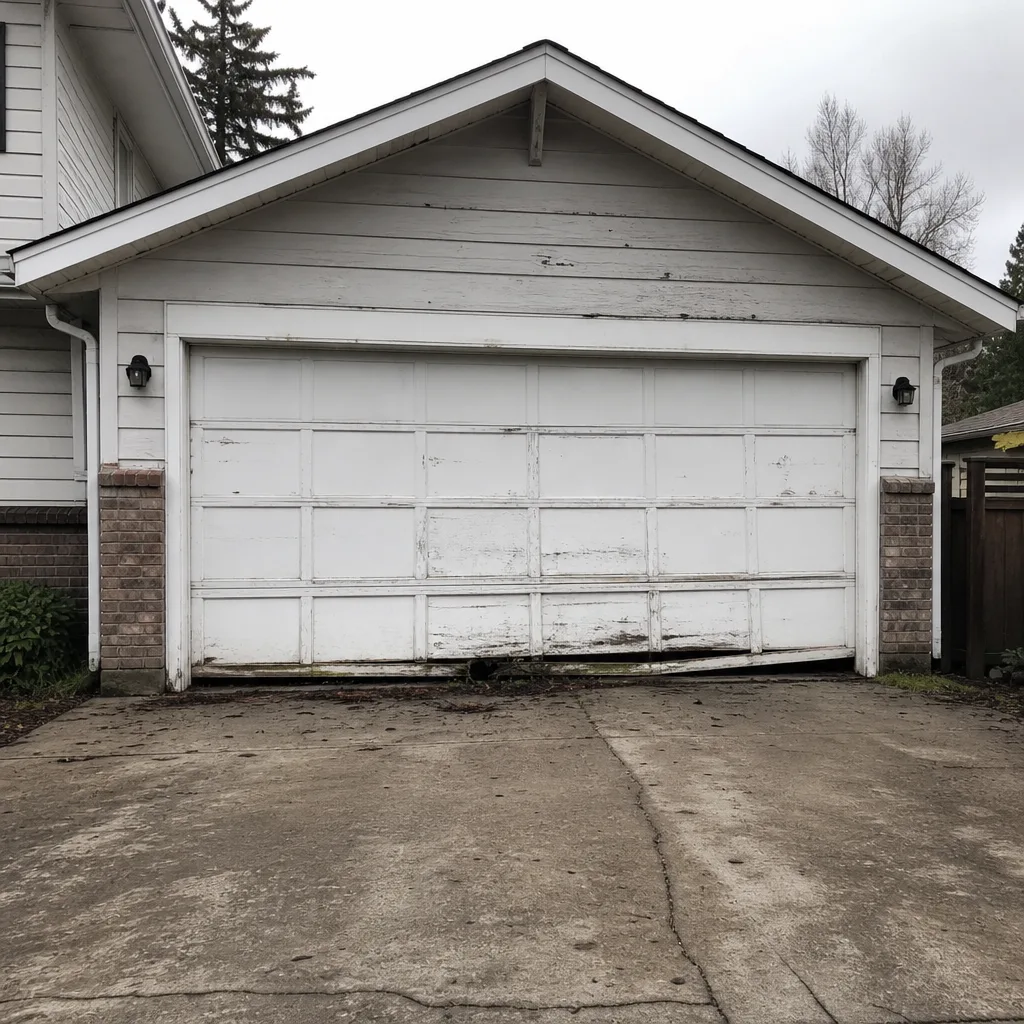 Before
 After
 Before
 After
 Before
 After