
Last updated November 21, 2026
 Raised-panel steel
 Carriage house
 Modern flush
 Full-view glass
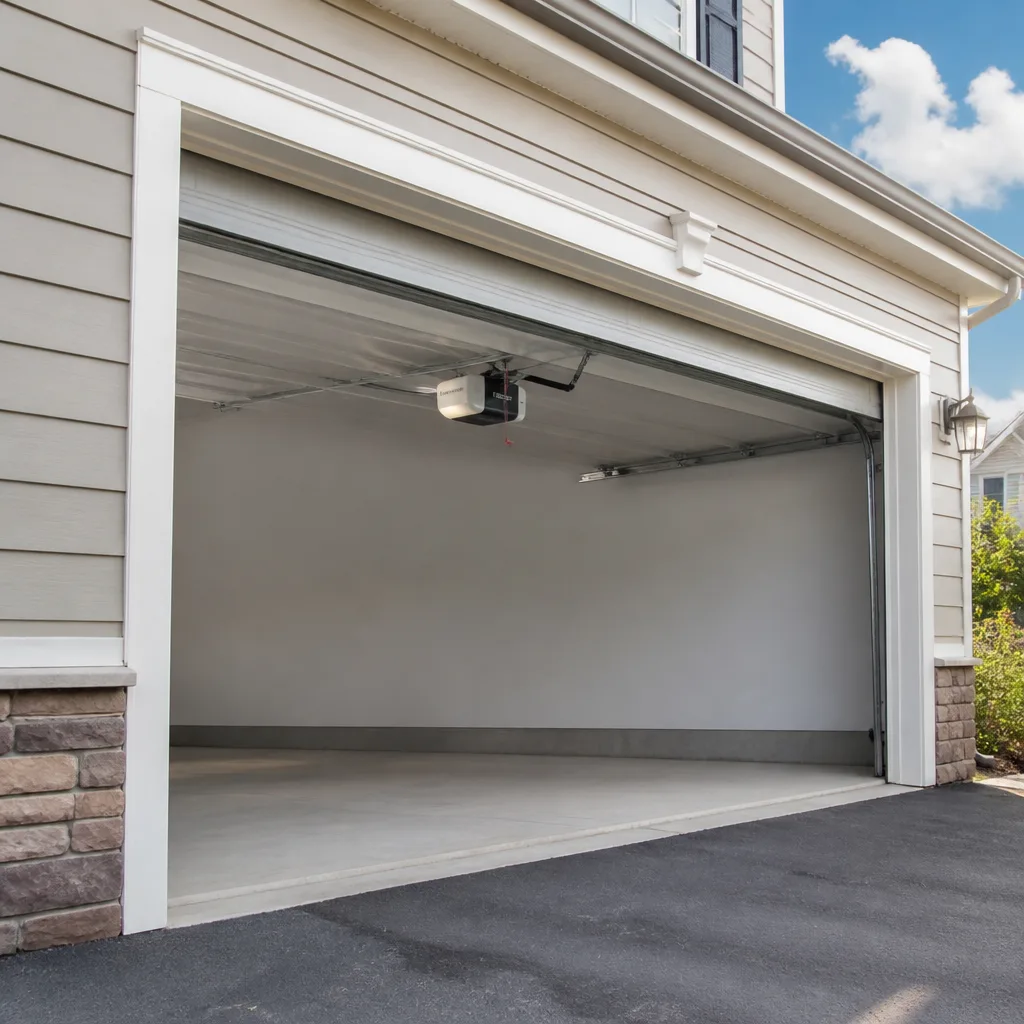 LiftMaster openers
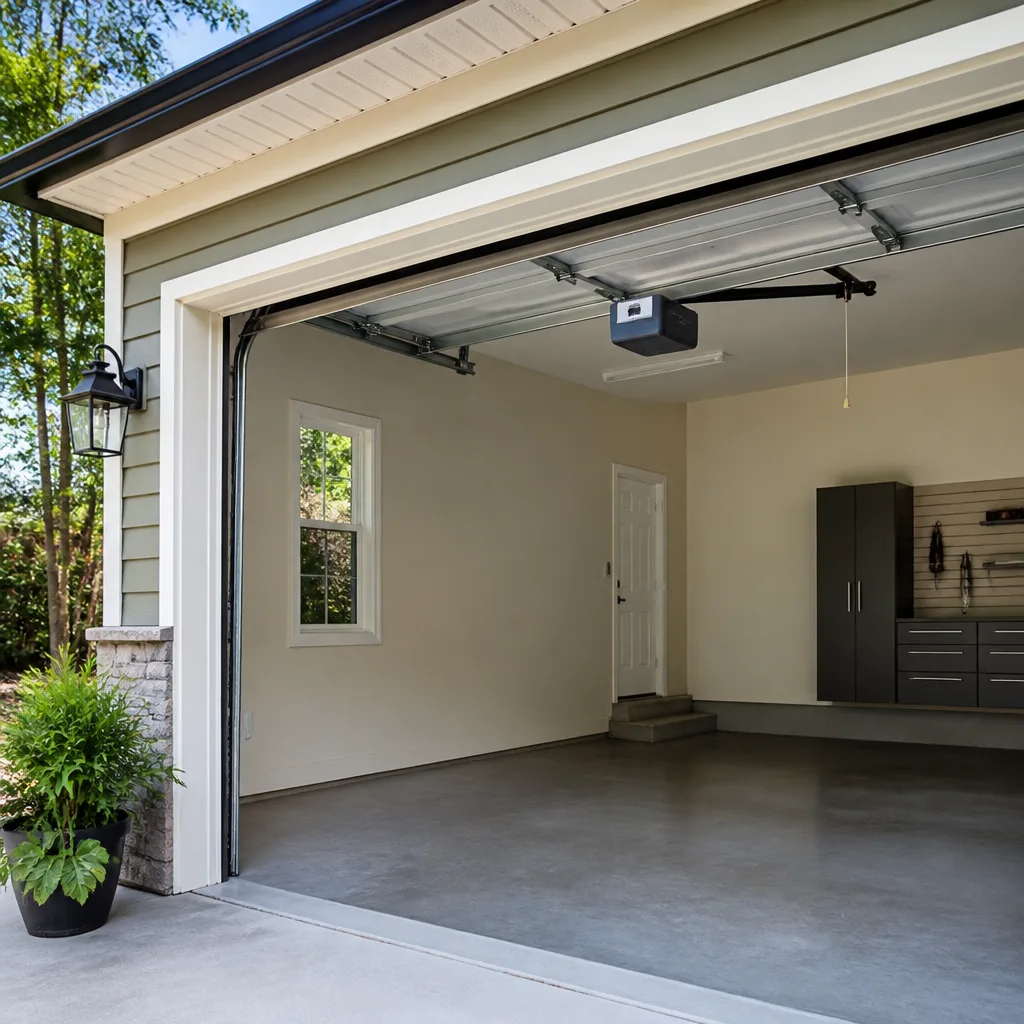 Chamberlain openers
Full 25-point door and opener safety check with every visit - springs, cables, rollers, tracks, and your LiftMaster or Chamberlain opener included
You get a price before we start. It does not change when the pro arrives.
Get your free estimateGarage Door Repair Maintenance Checklist for Kirkland Homeowners
The number one item on most garage door maintenance checklists is “lubricate the hinges.” That’s fine advice. But in Kirkland, the failure we see most often starts somewhere almost no checklist mentions: a bottom seal that’s been quietly absorbing rainwater for two seasons. By the time a homeowner calls us, that swollen, cracked rubber has let moisture into the door’s lower panels and thrown the whole door out of balance. This guide is built around the failure patterns technicians actually find on Kirkland service calls, not the items that are easiest to put on a list. You’ll learn what to check, how often, which checks are safe to do yourself, and which ones you should never attempt with your own hands.
Styles & brands we work with
- Raised-panel steel
- Carriage house
- Modern flush
- Full-view glass
- LiftMaster openers
- Chamberlain openers
Quick Answer
The most important items on a Kirkland garage door maintenance checklist are the bottom seal and weatherstripping (checked monthly for water damage), a spring-balance test you can do without touching the springs, opener force-sensitivity testing, and track alignment checks. Check the seal, weatherstripping, and safety reverse monthly; lubricate moving parts and test the opener seasonally; and have the springs, cables, and rollers professionally inspected once a year. Never touch springs or cables yourself.
Table of Contents
- Why the Bottom Seal Comes First in Kirkland
- How to Test Spring Tension Without Touching the Springs
- Opener Force Sensitivity and Pacific Northwest Temperature Swings
- Track Gap Measurement: Tolerances and Warning Signs
- Your Maintenance Schedule by Component
- What to Lubricate, What to Leave Alone
- Safety Devices You Can Test Yourself
- Common Mistakes to Avoid
- When to Call a Professional
Why the Bottom Seal Comes First in Kirkland
If you live in Kirkland, your garage door is fighting water for most of the year. The bottom seal is the first line of defense, and it’s the component that takes the most abuse while getting the least attention. That rubber strip sits in constant contact with a wet, sometimes debris-covered driveway. Over time it hardens, cracks, and loses its ability to seal. Once that happens, water wicks up into the door’s bottom section, and the door starts to lose its balance.
Here’s what makes the seal inspection different in a high-rainfall place like Kirkland compared to a dry climate. In Phoenix, a bottom seal might last years with barely a look. Here, we recommend a quick check every month during the wet season, because water finds the smallest gap fast. Run your hand along the seal from the inside and feel for soft spots, splits, or sections that have pulled away from the door. Look for daylight underneath when the door is closed. If you can see light or feel a draft, the seal isn’t doing its job.
Replacing a bottom seal is one of the few maintenance jobs most homeowners can handle safely. It’s also one of the cheapest forms of prevention you’ll ever do. The seal isn’t glamorous, but in Kirkland it’s the part that keeps water out of your door, your tracks, and eventually your opener’s mechanicals. When moisture gets past the seal repeatedly, it accelerates wear on everything above it. A five-minute monthly look saves far more than it costs.
What a good seal check looks like
- Close the door and look for visible daylight under the bottom edge.
- Press the seal with your fingers along its full width and note any hard, cracked, or detached sections.
- Check that the seal sits flat against the floor without gaps at the corners.
- Clear leaves and grit from the threshold so the seal isn’t resting on debris.
- Note any water staining on the door’s bottom panel, which signals the seal has already failed.
How to Test Spring Tension Without Touching the Springs
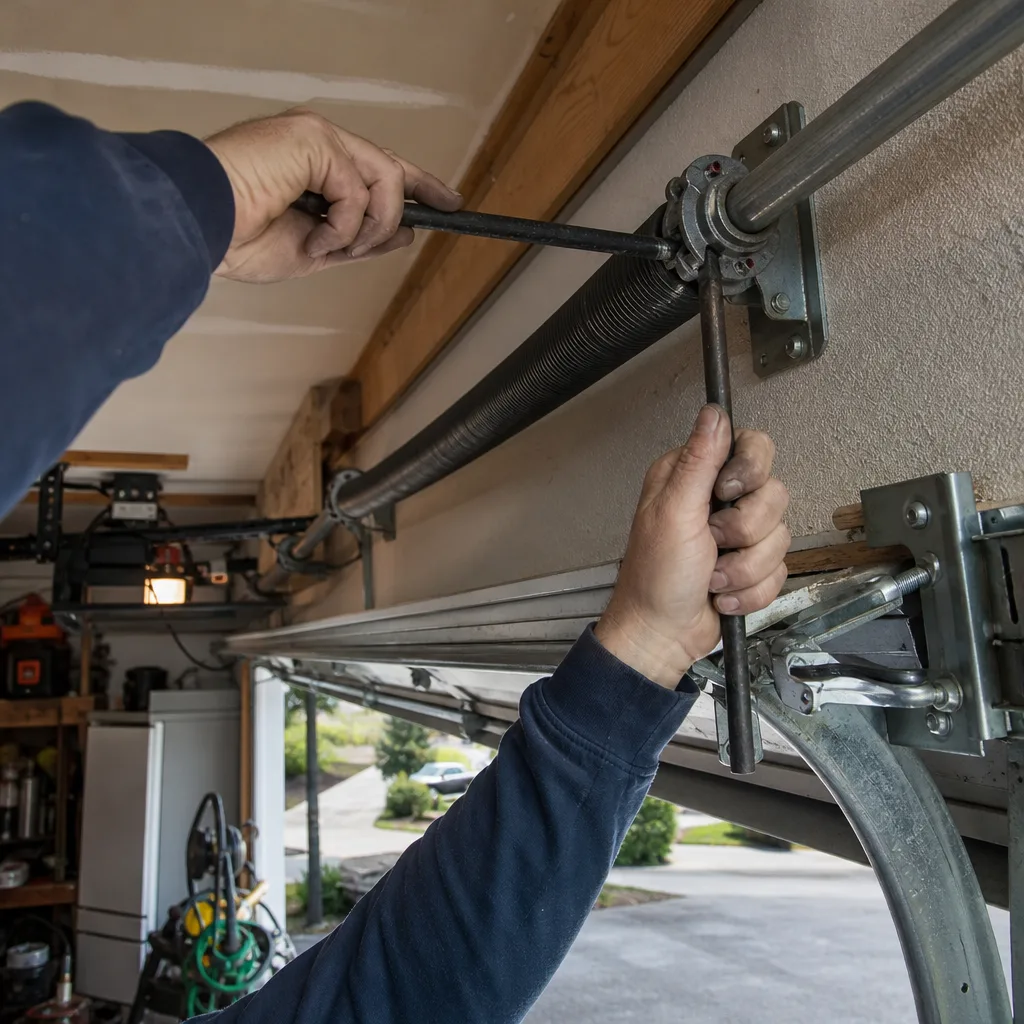
Springs are the most dangerous part of any garage door, and this is where a checklist has to be honest about what you should not do. You should never adjust, loosen, or remove a spring yourself. Those springs are under extreme tension and can cause serious injury in an instant. But there’s a safe way to gather information about whether your springs are balanced, and it doesn’t involve touching them at all.
Disconnect the opener first, using the manual release cord so the door runs on its springs alone. Lift the door by hand about halfway and let go gently. A properly balanced door should stay put or drift very slowly. If it slams down, the springs have lost tension. If it wants to fly up on its own, they may be over-tensioned. That’s an operational cue, not a repair. It tells you the door needs professional attention without you putting a hand anywhere near the spring assembly.
Watch for a few other visual signs at the same time. Look at the springs along the shaft or above the door. A clean, uniform coil is healthy. A visible gap, a stretched section, or a rusty, frayed look means the spring is on its way out. Listen too. If you hear a loud bang from the garage and the door won’t open afterward, a spring has likely broken. In that case, stop and call us. This is exactly why we treat garage door spring repair as a hands-off job for homeowners. Our technicians have up to 12 years of experience working with spring systems safely, and that experience is what keeps the repair from turning into an injury.
One more cue specific to Kirkland: springs work harder when a door is used as a primary entry point every day. If you park outside and drive in daily, the springs cycle more often than a door used for storage. More cycles mean faster wear. That’s another reason to run the balance test seasonally, not just once when you move in.
Opener Force Sensitivity and Pacific Northwest Temperature Swings
Your opener has force-sensitivity settings, and they matter more in the Pacific Northwest than most people realize. When temperatures swing through Kirkland’s wet, cool winters and warm, dry summers, the door’s metal and seals expand and contract. A setting that worked perfectly in July can feel “off” in January. The opener reads that change as resistance and can either strain too hard or reverse when it shouldn’t.
You can test force sensitivity safely. With the door closed, pull the manual release so the door runs free, then re-engage it. Open and close the door with the opener and watch how it moves. If it jerks, hesitates, or stops partway, the force setting is misreading the door’s weight. Your opener’s manual shows how to adjust the force dial, usually a small turn at a time. Modern LiftMaster and Chamberlain units handle this through their smart features and app, while older Genie or legacy units use a physical dial. We work on all of them, and we’ve seen how false readings from temperature swings lead homeowners to crank the force up when the real problem is a door that’s out of balance.
That’s the trap worth naming. If the door feels heavy, forcing the opener to push harder masks the symptom while the real issue – a weakening spring, a binding track, or a bad roller – gets worse. A quick annual force check, plus a professional look when the door starts struggling, keeps the opener from doing damage to a door that just needed maintenance.
Track Gap Measurement: Tolerances and Warning Signs
A bent track looks like a small dent right up until the door jams. Tracks should be straight and evenly spaced, with the rollers running smoothly inside them. The gap between the track and the door’s rollers should stay consistent from top to bottom. If you see a visible kink, a widening gap, or a roller riding outside the track, that track is already a problem.
Here’s a practical check anyone can do. With the door closed, stand to the side and look down the length of each vertical track. It should look like a straight line. A track that bends outward or inward, even slightly, throws the door off. Run your hand along the inside of the track and feel for dents or rough spots that would catch a roller. If the two vertical tracks aren’t parallel, the door will bind on one side and eventually come off its tracks.
We see bent tracks in Kirkland for a few reasons: a car bumper that clipped a vertical track, a door that got pushed or pulled while opening, or years of a door that was slightly out of balance putting uneven pressure on one side. A small bend left alone becomes a stuck door, and a stuck door can mean a car trapped inside or a home left open. Track adjustment is a professional job. Tracks are under load and tied to the door’s alignment, so what looks like a gentle bend to fix by hand can throw off the whole system. If you’re noticing your door grabbing, squealing, or pulling to one side, that’s your signal to get garage door repair before it strands you.
Your Maintenance Schedule by Component
Not everything on a garage door needs the same attention, and lumping every check into an annual list is part of why doors fail between visits. Here’s how we’d break it down for a Kirkland home. Each item is marked by whether it’s safe for you to do or better left to a technician.
Monthly (DIY-safe)
- Bottom seal: inspect for cracks, gaps, and daylight underneath.
- Weatherstripping: check the sides and top for peeling or gaps.
- Safety reverse test: place a small object under the door and confirm it reverses on contact.
- Visual once-over: look for anything loose, rusted, or visibly broken.
Seasonally (DIY-safe with care)
- Lubricate rollers, hinges, and the door’s moving joints with a proper garage door lubricant.
- Test the opener’s force sensitivity and adjust per the manual.
- Run the balance test with the door disconnected from the opener.
- Clear the tracks of debris and check for visible bends.
Annually (professional)
- Full spring and cable inspection, including tension and wear.
- Roller and hinge assessment for replacement.
- Track alignment and tolerance check.
- Opener mechanical inspection, including the drive system.
This is the honest split. You can handle the seal, the safety test, and the lubrication. Springs, cables, and track straightening belong to a trained professional, full stop. If your annual inspection turns up an opener problem, that’s where garage door opener repair comes in, and it’s worth getting it sorted before the opener damages a door that’s otherwise fine.
What to Lubricate, What to Leave Alone
Lubrication is the item every checklist gets half right. Yes, you should lubricate moving parts. No, you shouldn’t grab whatever’s in the garage. The wrong product attracts dirt, gums up the works, and turns a quiet door into a noisy one. Here’s the simple rule: use a purpose-made garage door lubricant on metal-on-metal contact points, and skip the springs.
Focus on the rollers, the hinges, and the metal pivot points. A light spray on each hinge and roller, wiped clean afterward, is plenty. Don’t lubricate the tracks themselves; they’re meant to be dry so the rollers can roll. Don’t spray the springs either, since they’re best left to a technician who knows their condition. And don’t reach for WD-40 as a long-term fix; it’s a solvent, not a lasting lubricant, and it can strip the grease that’s supposed to stay put.
When you’re lubricating, listen to the door. A quiet door is a healthy door. Grinding, squealing, or a rhythmic thumping means something is worn and lubrication alone won’t fix it. That’s the point where a technician should look at the door and tell you what’s actually wrong. We work on Raynor and Chamberlain systems regularly, and the sound of a failing roller or hinge is the same across brands. Our technicians have up to 12 years of experience diagnosing that difference, and a quick inspection saves you from a bigger repair later.
Lubrication do’s and don’ts
- Do use a garage door-specific lubricant on hinges and rollers.
- Do wipe away excess so it doesn’t collect grit.
- Don’t spray the tracks.
- Don’t use WD-40 as your regular lubricant.
- Don’t lubricate the springs yourself.
Safety Devices You Can Test Yourself
Your door has two safety systems that deserve a monthly test, and both are simple enough to check in a minute. The first is the safety reverse, which should send the door back up if it meets resistance on the way down. Place a small object, like a piece of wood or a box, in the door’s path, close it with the opener, and watch that it reverses. If it doesn’t, the setting needs adjustment before someone gets hurt.
The second is the photo-eye system, the small sensors near the floor on each side of the door. Close the door and pass your leg or a broom across the beam. The door should reverse immediately. If it doesn’t, check that the sensors are aligned, clean, and facing each other. Dirty lenses and bumped sensors are the most common causes of a door that won’t close, and it’s a fix you can often make yourself. If the door still won’t behave after aligning the eyes and clearing the lenses, the opener’s logic board or wiring is the likely culprit, and that’s a job for a technician.
These two tests are the highest-value items on your entire checklist. A door that fails to reverse or ignores its photo-eye is a genuine hazard, especially in a household with kids or pets. If either test fails, stop using the door until it’s fixed.
Common Mistakes to Avoid
- Ignoring the bottom seal until it rots. In Kirkland’s wet climate, the seal is the first component to fail and the last one most checklists mention. Check it monthly during the rainy season, not once a year.
- Forcing a door that’s out of balance. When the door feels heavy, it’s tempting to crank the opener’s force up so it pushes through. That masks a spring problem and wears out the opener. Fix the balance, don’t overpower it.
- Spraying lubricant on the tracks or springs. The tracks should stay dry so the rollers can roll, and the springs are a component you never touch. Wrong lubricant in the wrong place turns a quiet door noisy.
- Assuming a bent track will straighten itself out. A small kink in a vertical track becomes a stuck door over time. Have the alignment checked before it strands your car.
- Skipping the annual spring inspection. Springs fail gradually and then all at once. A yearly look can catch a weakening spring before it breaks and leaves the door too heavy to open.
- Using the door as a daily entry without extra care. A door you drive in and out of every day cycles far more than a storage door. In Kirkland, that means the seal, springs, and opener all work harder, so keep to the schedule.
- Treating a dead opener as a door problem. A door that won’t open might have a broken spring, a track issue, or a failed opener. Guessing at the cause sends money the wrong direction. Get it diagnosed correctly.
When to Call a Professional
Some jobs are yours to handle and some genuinely aren’t, and knowing the difference protects both your door and your safety. Call a professional if a spring has broken, if the door is off its tracks, if the opener reverses for no reason, or if the door won’t close all the way. Any grinding, banging, or jerking during operation is a signal to stop and get it looked at. Safety reverse and photo-eye failures are urgent, since a door that won’t reverse is a hazard.
Our technicians are experienced across major brands, from LiftMaster and Raynor to legacy systems, and we focus on garage doors alone. We’re a dedicated garage door specialist, which means you’re not calling a general handyman who fixes a door between plumbing jobs. If you’re setting up a maintenance visit or facing a repair that’s beyond the checklist, Kirkland Garage Door Repair Co offers free estimates in Kirkland. Call (844) 725-1599.
Frequently Asked Questions
Check the bottom seal, weatherstripping, and safety devices monthly, and test the opener’s force sensitivity and door balance seasonally. Have the springs, cables, and tracks professionally inspected once a year. The wet climate makes the seal and weatherstripping the most important monthly items. Call (844) 725-1599 to book a maintenance visit.
No. Springs are under extreme tension and can cause serious injury, so leave adjustment and replacement to a trained technician. You can safely test whether the door is balanced by disconnecting the opener and lifting the door halfway, but never touch the springs themselves. Call (844) 725-1599 if the door is heavy or the springs look worn.
Pacific Northwest temperature swings cause the door’s metal and seals to expand and contract, which changes how the opener reads resistance. A force setting that worked in summer can misread the door in cooler weather. If your door hesitates or reverses in the cold, the force sensitivity needs adjusting, and the door may need a balance check. Call (844) 725-1599 for an exact quote on a diagnosis.
Bottom seal failure comes first. In a high-rainfall place like Kirkland, a seal that’s absorbed water for a couple of seasons cracks and lets moisture into the door, which throws off its balance. A close second is a weakened spring on a door used daily for entry. Call (844) 725-1599 to get a failing seal or spring looked at before it becomes a bigger repair.
No. We quote the price and agree it with you before any work starts, and the written estimate is the price. If the inspection turns up something unexpected, we tell you before touching the door so there are no surprises on the invoice. Call (844) 725-1599 for a free estimate.
The local professionals we connect you with are licensed and insured as their state requires. They’re experienced with major brands like LiftMaster, Chamberlain, Genie, and Raynor, and they focus on garage doors only. Call (844) 725-1599 to get your questions answered and schedule a visit.
The Bottom Line
The checklist that actually protects a Kirkland garage door looks different from the generic ones. It starts with the bottom seal because water is the local enemy, not because the seal is the easiest item to list. It tests spring tension without touching the springs, checks opener force sensitivity against temperature swings, and measures track alignment before a small bend becomes a stuck door. Keep the monthly checks going, do the seasonal ones with care, and leave springs, cables, and tracks to a technician. That schedule, honestly followed, is what keeps a door moving smoothly through a wet Kirkland year. And when something’s beyond the list, one call covers repair, opener service, spring work, and full door installation.
Written by the team at Kirkland Garage Door Repair Co.
See the difference
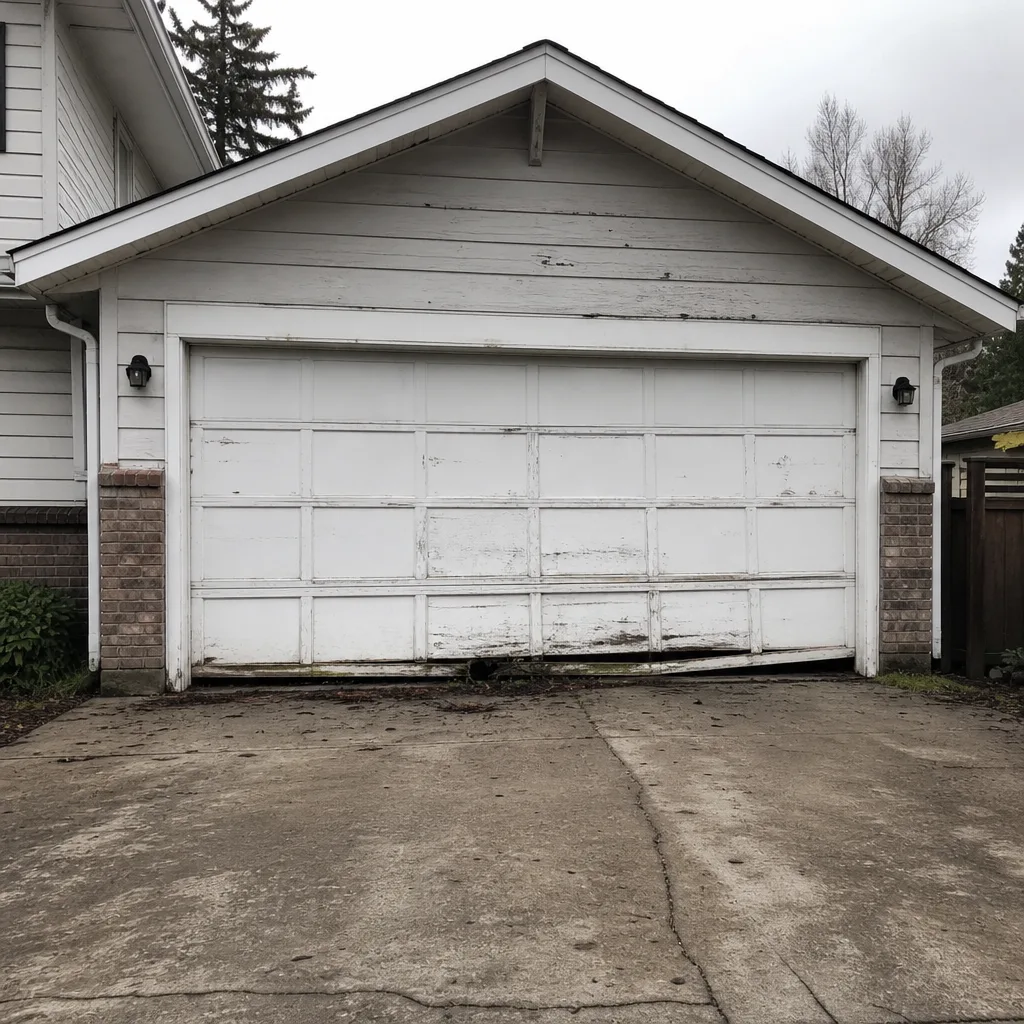 Before
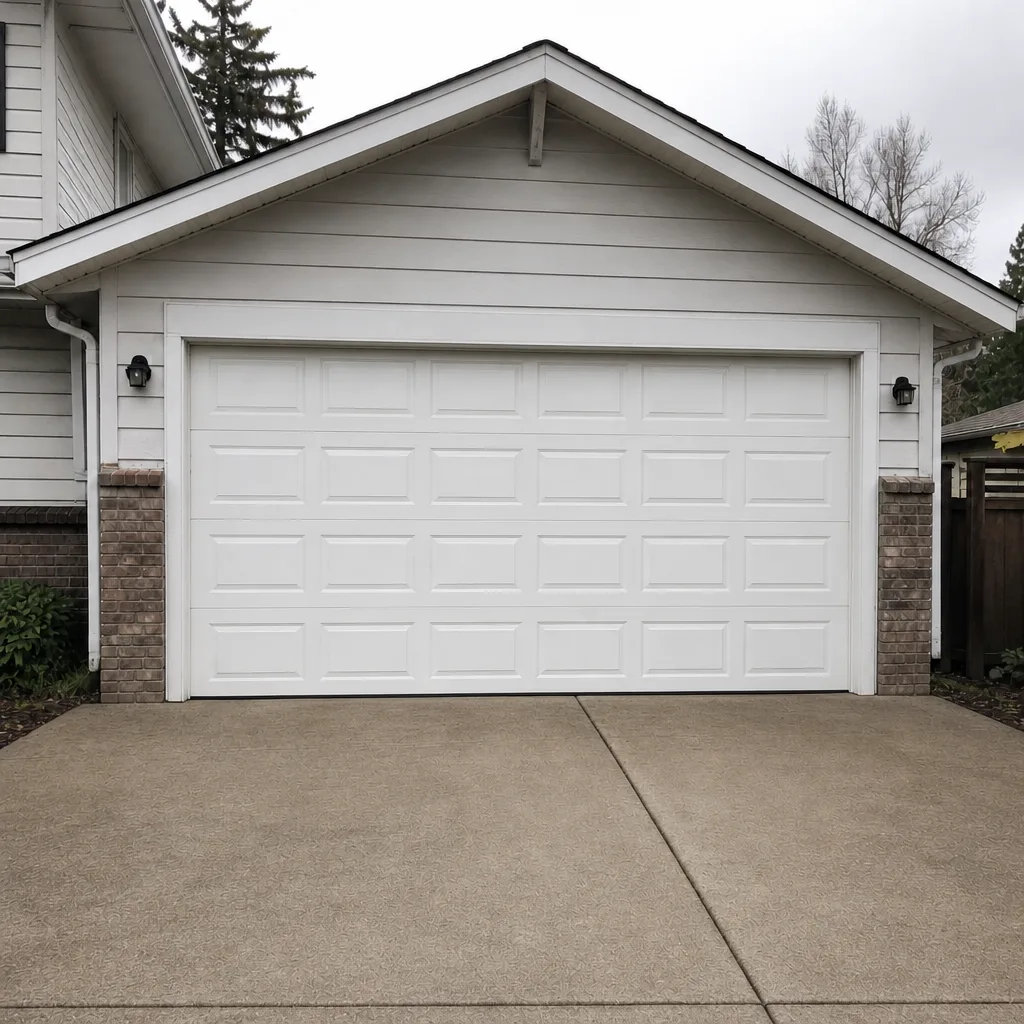 After
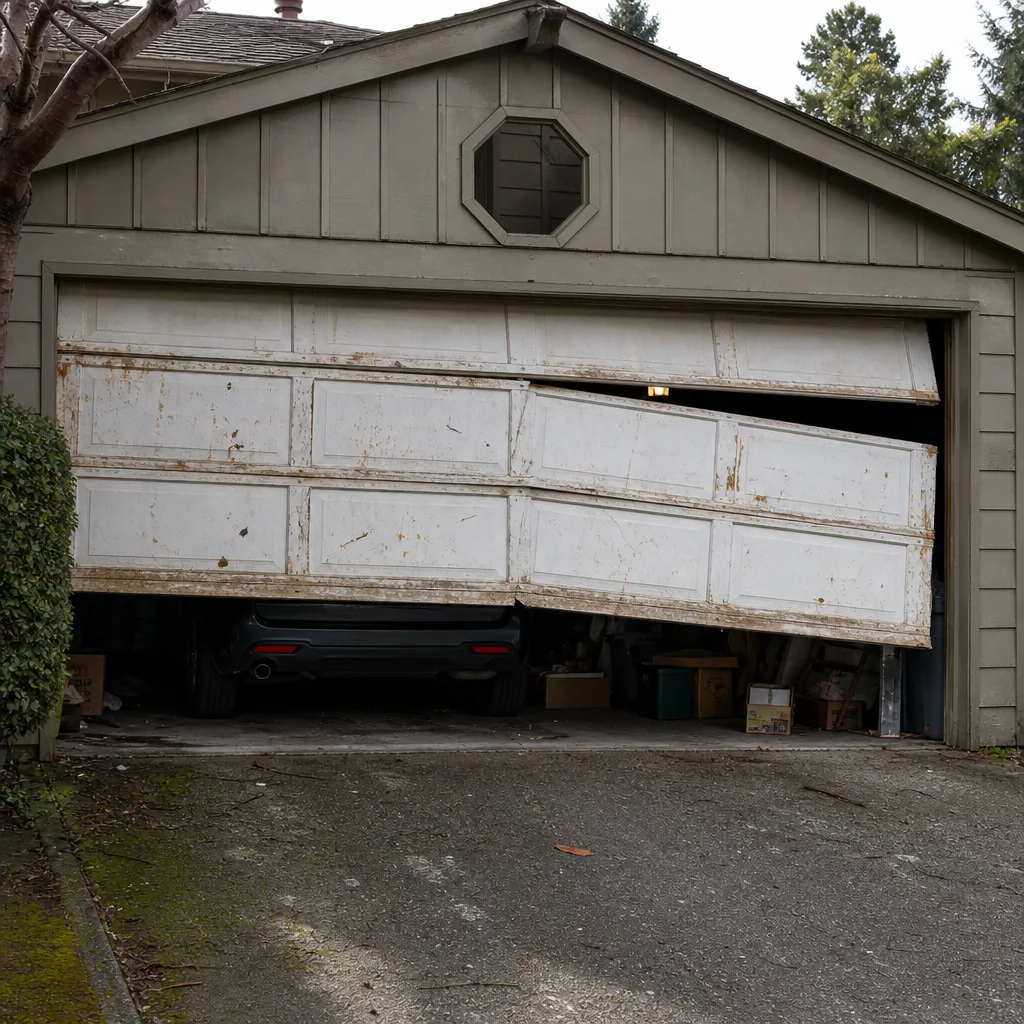 Before
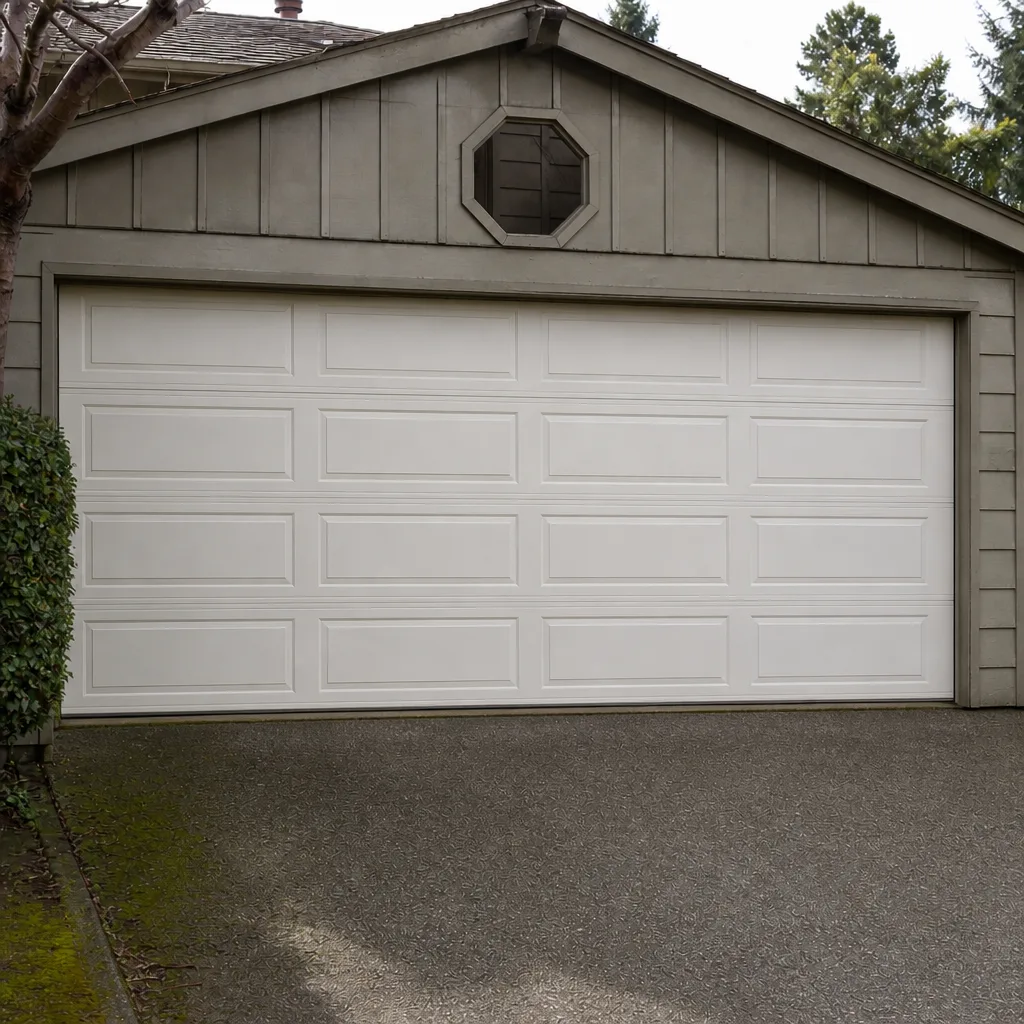 After
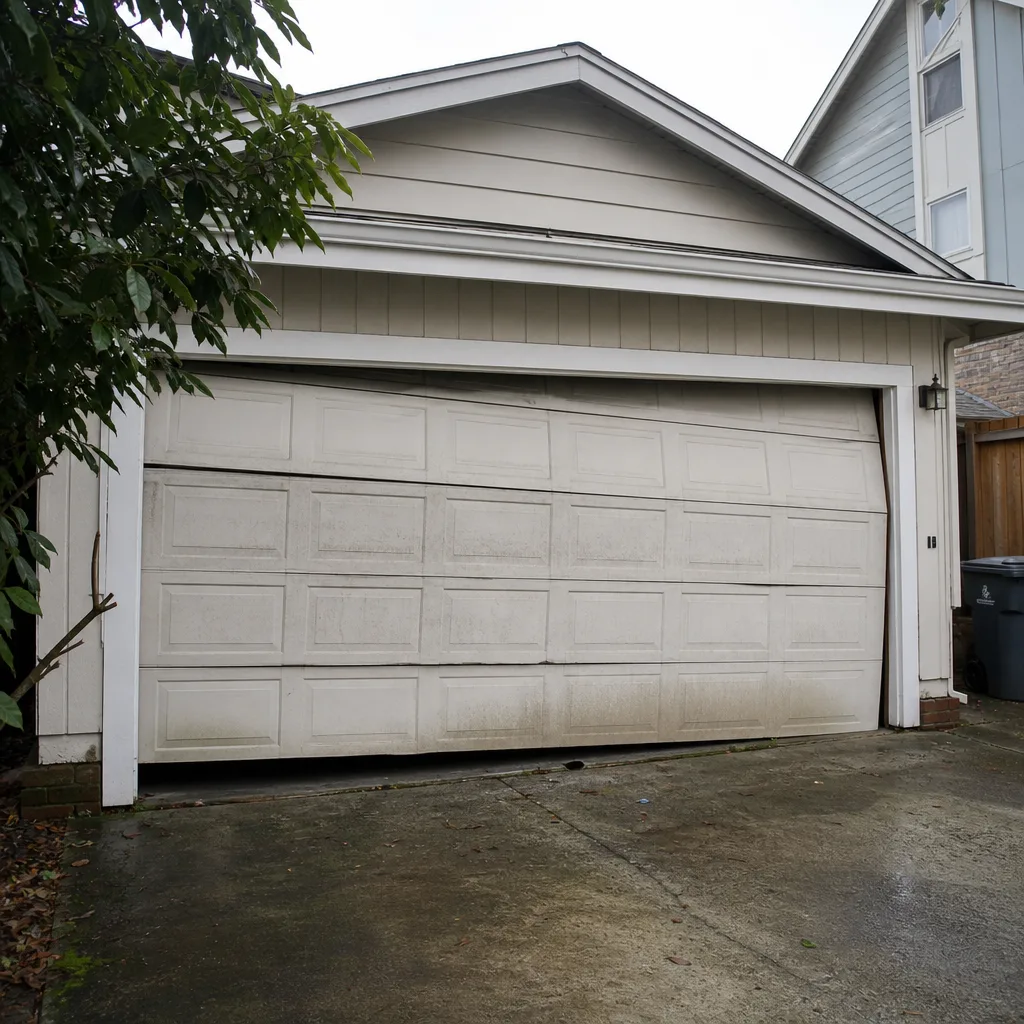 Before
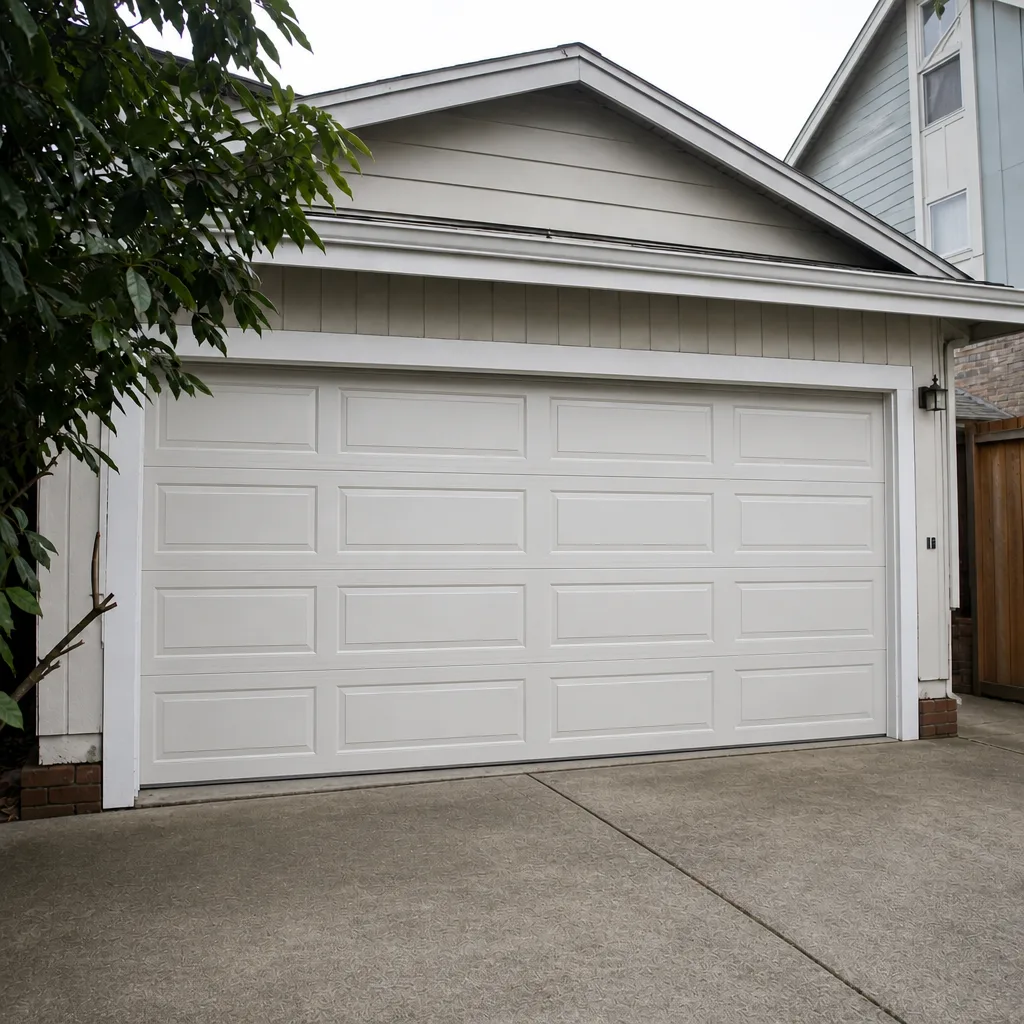 After