
Last updated November 21, 2026
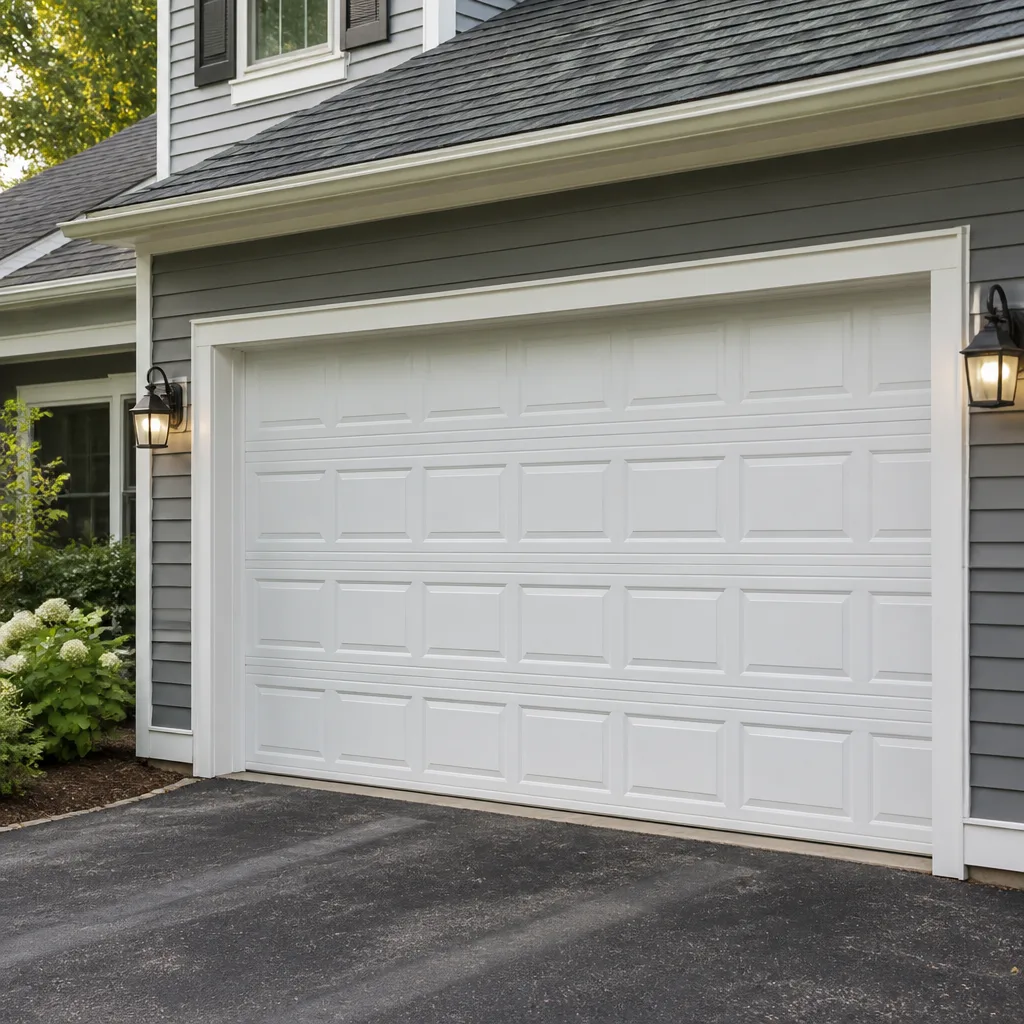 Raised-panel steel
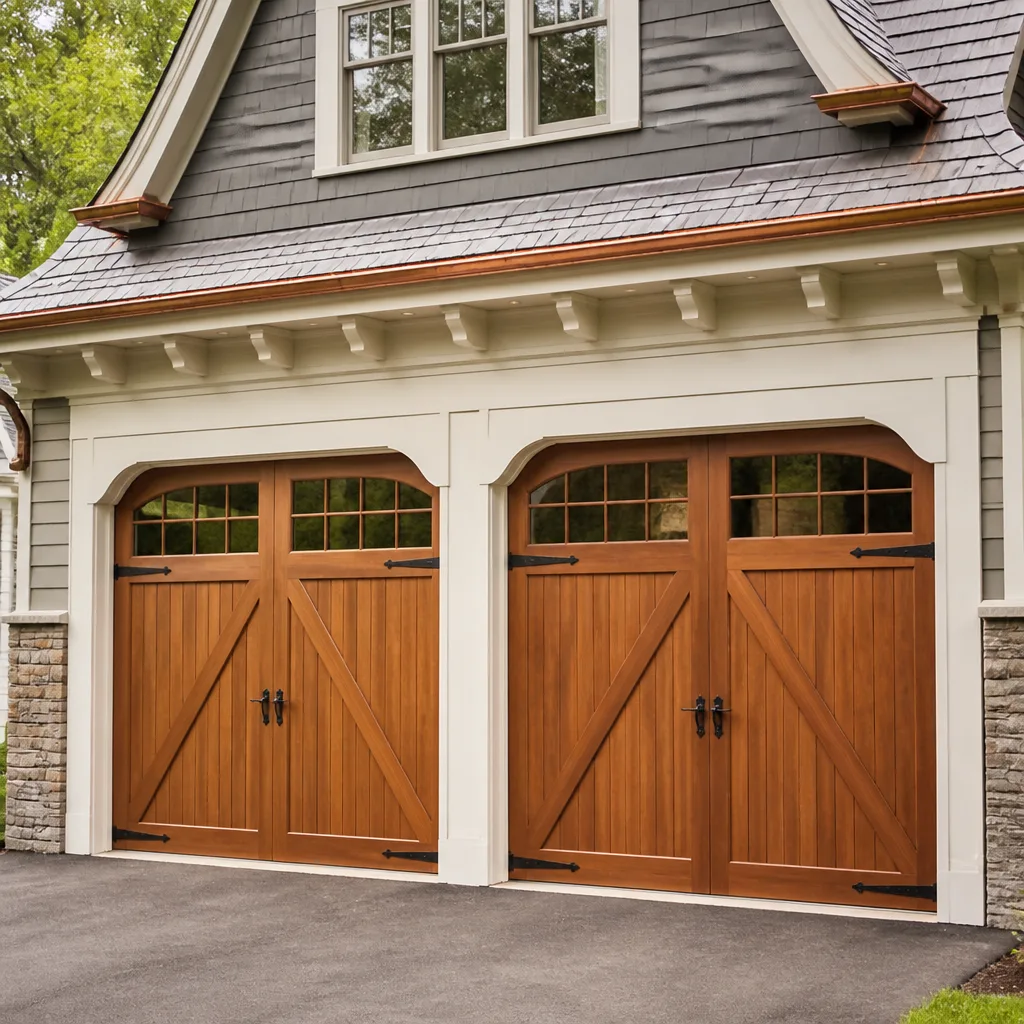 Carriage house
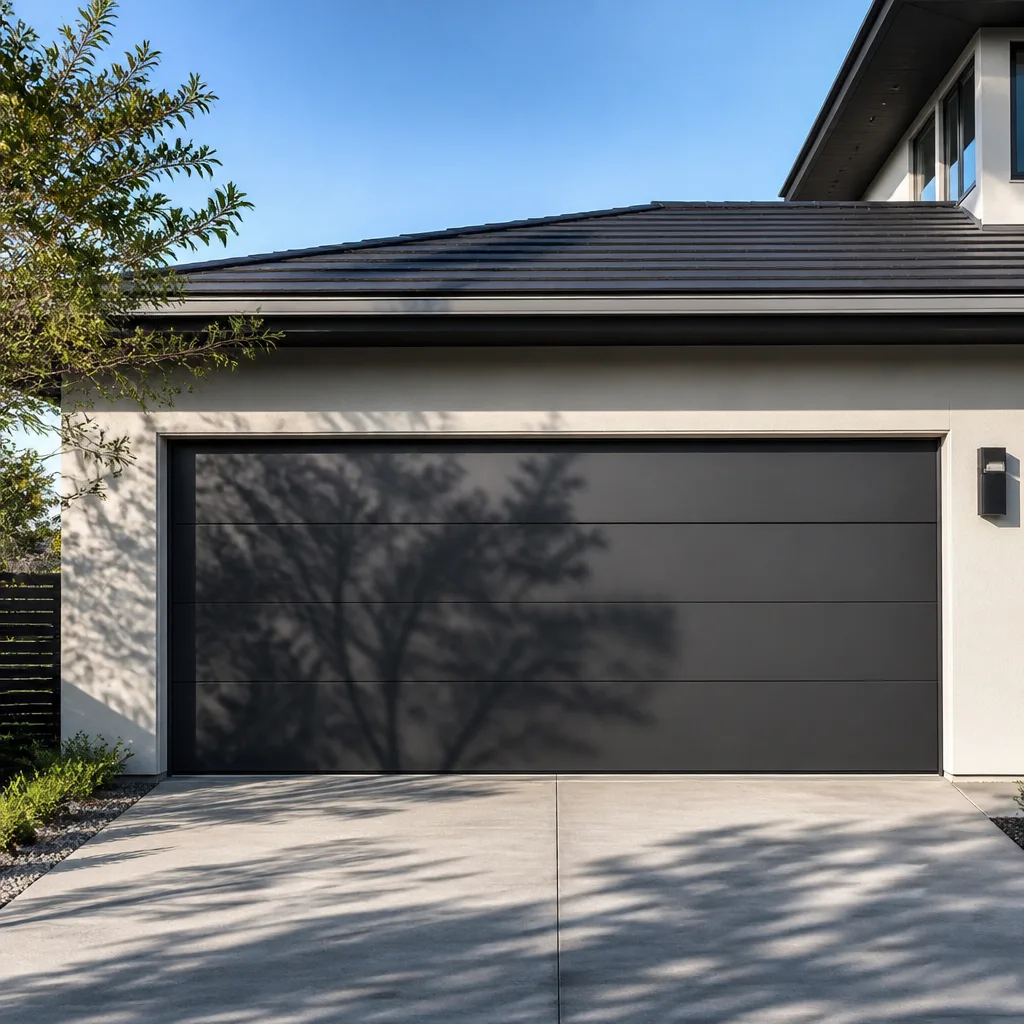 Modern flush
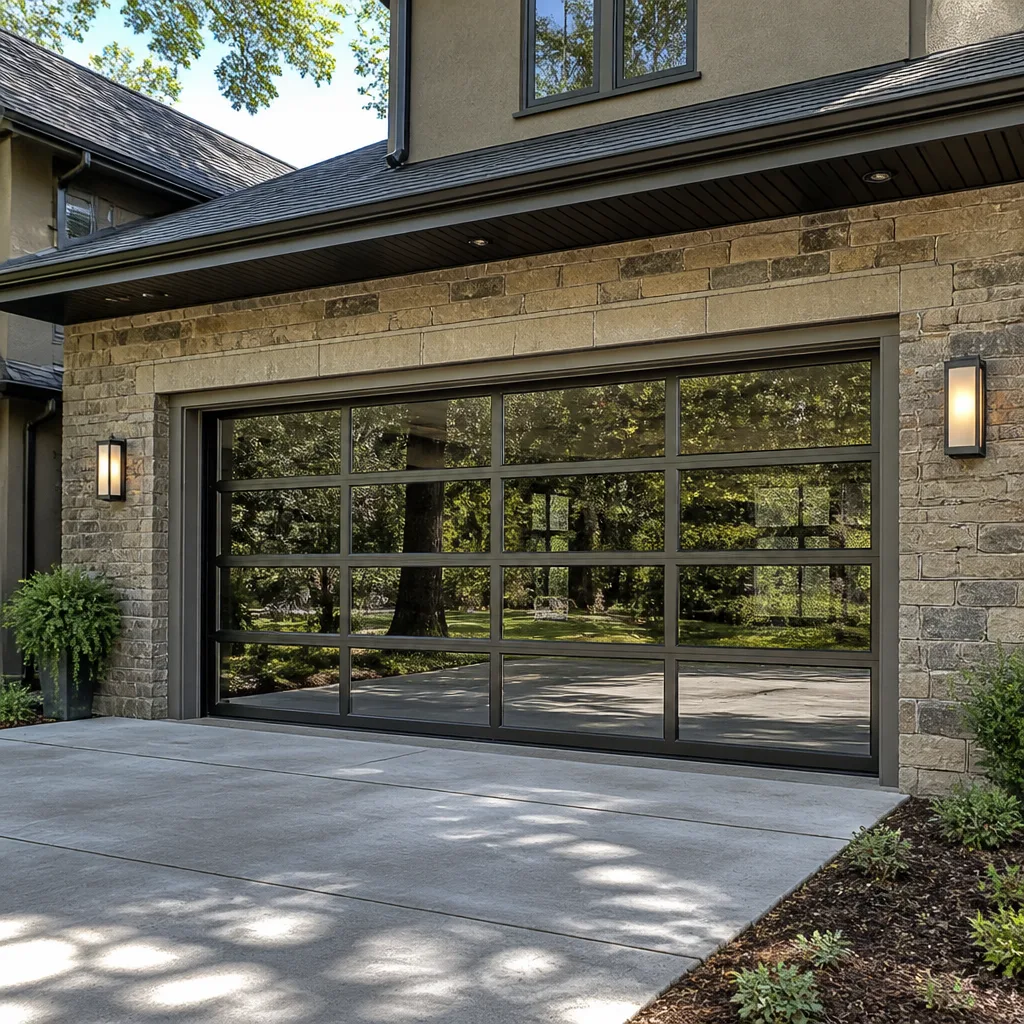 Full-view glass
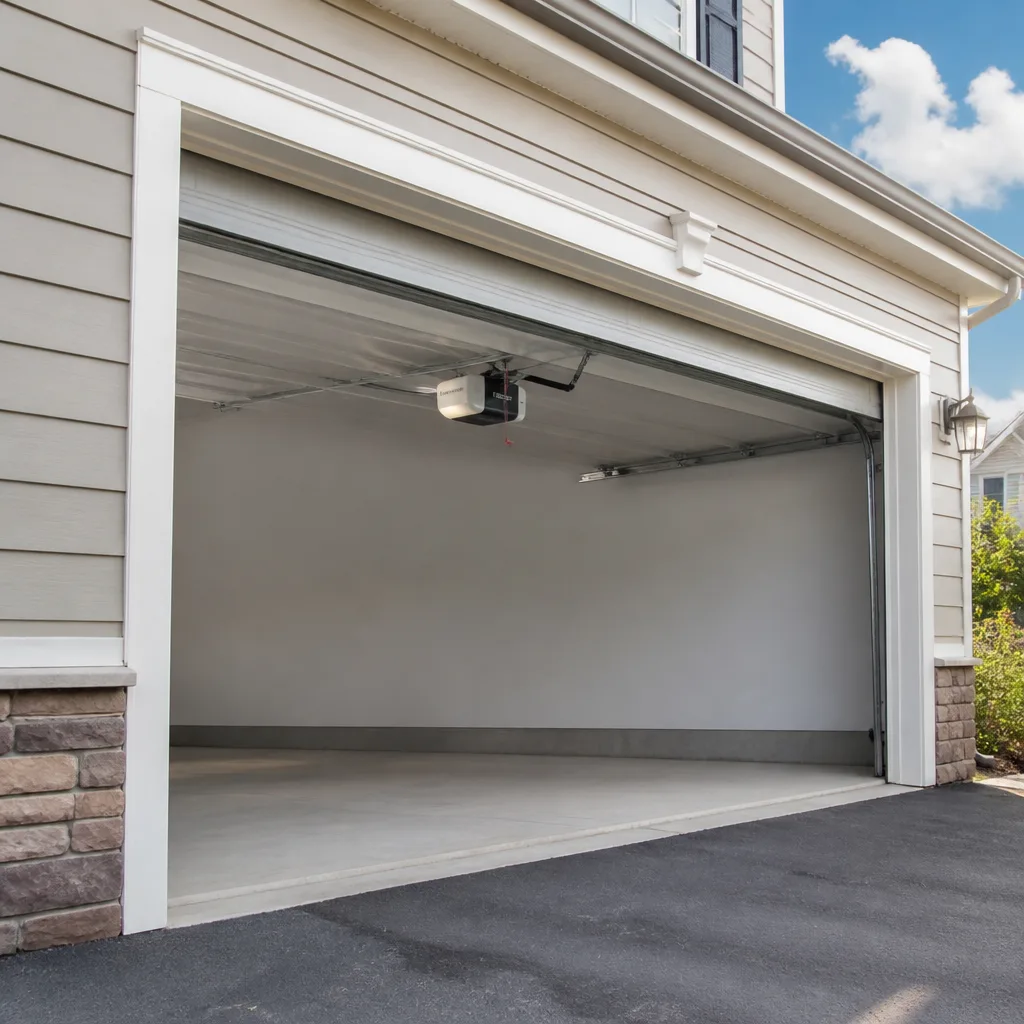 LiftMaster openers
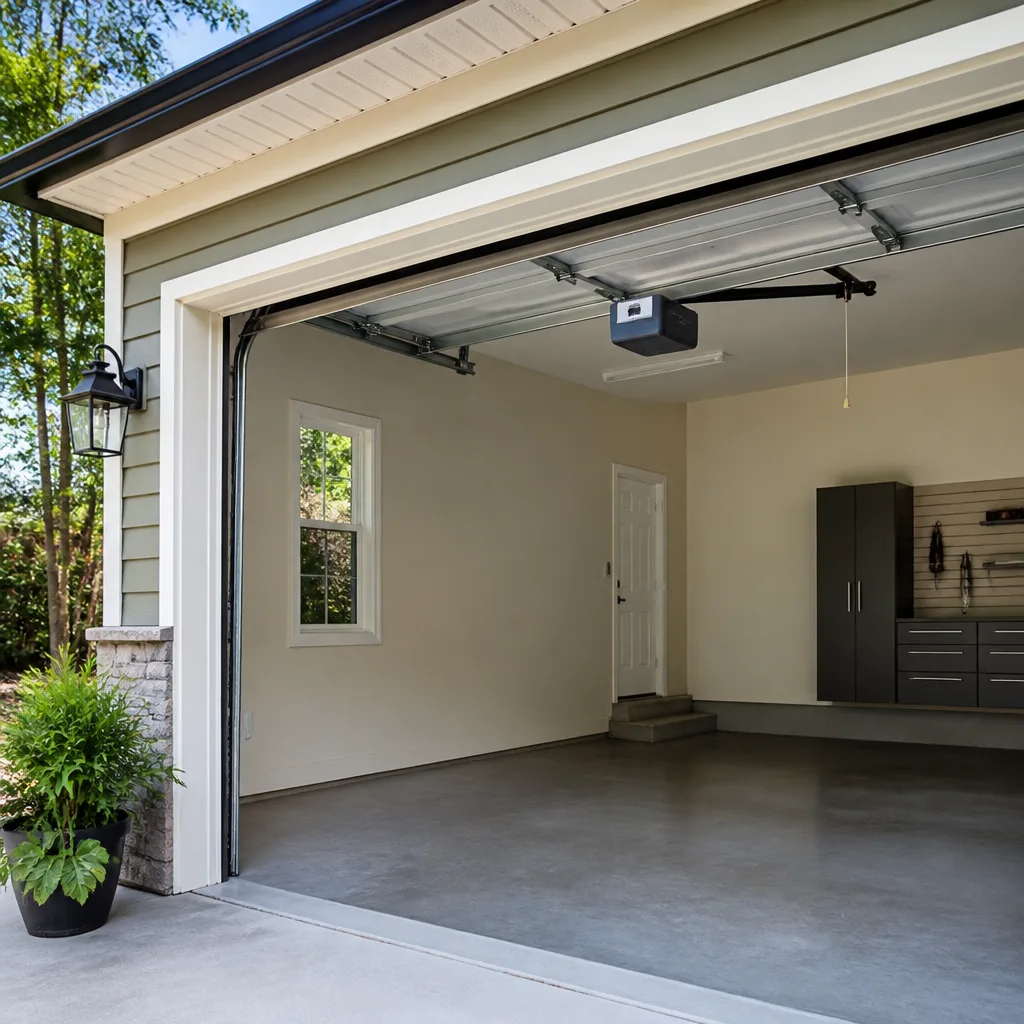 Chamberlain openers
Full 25-point door and opener safety check with every visit - springs, cables, rollers, tracks, and your LiftMaster or Chamberlain opener included
You get a price before we start. It does not change when the pro arrives.
Get your free estimateGarage Door Warning Signs: A Kirkland Homeowner’s Reference Guide
Most garage door failures don’t arrive without warning. They send signals for weeks: a two-second lag on the way up, a tick you hear from the kitchen, a door that drifts back down a few inches after you let go of the handle. The homeowners who call when the door first gets slow usually keep the repair small. The ones who wait find out what a loaded torsion spring does when it finally lets go. This guide is built to help you read those signals early, understand what each one points to mechanically, and know roughly what it costs to ignore them. Everything here applies to the doors on Kirkland’s hillside homes, lakefront properties, and 1970s-through-1990s subdivisions alike.
Quick Answer
The main garage door warning signs are unusual noises (grinding, popping, squealing), a door that looks crooked or drifts down when opened halfway, an opener that reverses or stalls before the door closes, and a door that moves noticeably slower than it used to. Any one of these points to a mechanical problem that gets more expensive the longer it runs. If your door opens partway and won’t stay up, treat it as the most urgent sign on the list.
Styles & brands we work with
- Raised-panel steel
- Carriage house
- Modern flush
- Full-view glass
- LiftMaster openers
- Chamberlain openers
Table of Contents
- What the Noise Is Telling You: Grinding, Popping, and Squealing
- How to Spot an Unbalanced Door From the Driveway
- Opener Behavior Changes That Aren’t Opener Problems
- Response Lag: What “Slow” Actually Means
- The Sign Homeowners Dismiss: A Door That Won’t Stay Up
- The Cost of Waiting: A Sign-by-Sign Timeline
- A Simple Monthly Check for Kirkland Homeowners
- Common Mistakes to Avoid
What the Noise Is Telling You: Grinding, Popping, and Squealing
Garage doors are heavy panels riding on metal hardware, so they make some sound. What matters is whether the sound is new, whether it’s getting louder, and where it’s coming from. Three noises account for the vast majority of what we diagnose, and each one points to a different part of the system. Learning to separate them will save you a call or help you describe the problem accurately when you do make one.
Grinding. A grinding or scraping noise almost always comes from the track and roller side of the system. Rollers wear flat spots, tracks bend out of alignment, and a panel that has shifted slightly can drag against the frame. Left alone, a grinding door wears down the rollers, then the hinges, then starts chewing at the panels themselves. A roller and track adjustment is one of the more affordable fixes on a door.
Popping. A sharp pop, especially one that happens once per cycle right as the door starts to lift, points toward the torsion spring or the cables. A spring that is winding down can pop as its coils shift. A cable that has jumped its drum can bang. This is the noise to take most seriously, because the parts involved are under extreme tension and are not a homeowner job. When you hear it, don’t cycle the door repeatedly to “see if it does it again.”
Squealing. A high-pitched squeal is usually metal-on-metal contact at a bearing, roller, or hinge. It’s often the least urgent of the three, but it’s a clear signal that lubrication and hardware inspection are overdue. In our experience across LiftMaster, Chamberlain, and Wayne Dalton systems, a squeal that shows up every cycle rarely fixes itself and usually means a bearing or roller needs attention.
What each noise costs to ignore depends on the part. A grinding door that gets caught early is a roller and track job. After months of grinding, the panels or hinges can be involved, which pushes the repair up the scale. A popping spring that fails completely can drop the door and bend panels, cables, and track at the same time.
How to Spot an Unbalanced Door From the Driveway
An unbalanced door is one of the easiest problems to see and one of the hardest to catch without knowing what to look for. The whole check takes ten seconds and you can do it from where you park.
- Look at the gap between the door and the frame. With the door closed, the gap on the left side and the right side should look the same. If one side is tight and the other has a visible gap, the door is out of level.
- Watch the top edge as the door starts up. Both corners should rise together. If one corner lifts before the other, that’s a sign the door is loading unevenly.
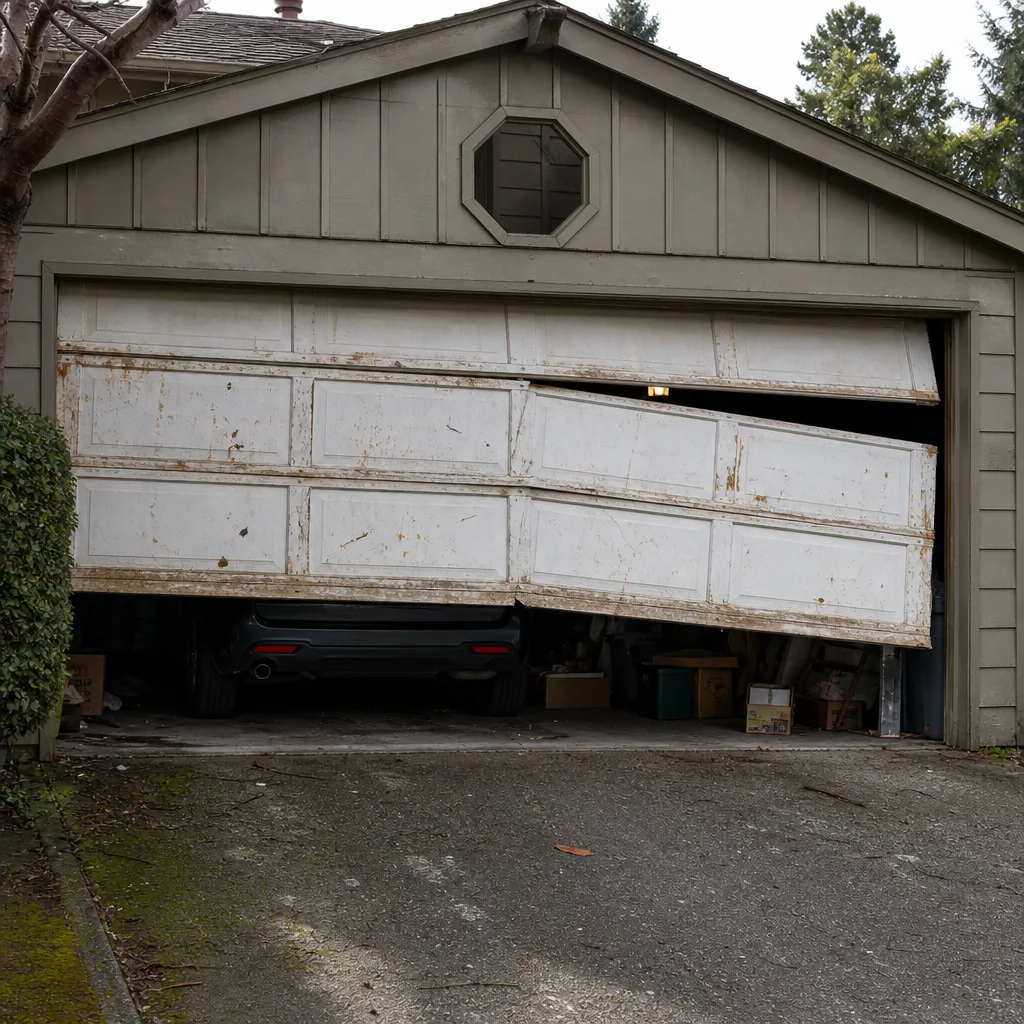
- Watch the bottom edge at the end of the cycle. It should meet the floor in a straight line all the way across. A corner that stops short, or a door that slams one side down harder, is a warning.
- Stand at the side of the garage door, not directly under it, when you cycle it. Look for a panel that looks skewed rather than square. One warped panel can throw the whole door out of balance.
An unbalanced door wears its cables and springs unevenly. One cable takes more load than the other, and a cable that’s been overloaded is the one that snaps. That’s why the driveway check is worth doing every few months, particularly for older doors in Kirkland’s hillier neighborhoods where homes have settled over decades and the door has been rehung or adjusted more than once. A bent track or a cable that snaps under load is a repair that grows: a snapped cable often takes the door out of the track and bends panels. What starts as a small alignment problem becomes a larger job.
Opener Behavior Changes That Aren’t Opener Problems
A common assumption is that a malfunctioning opener needs to be replaced. More often than not, the opener is reporting a problem in the door itself, or a sensor issue. Knowing the difference saves you from paying for the wrong part.
The door reverses as it closes. If the door goes partway down and then goes back up, the opener’s safety sensors or its force setting is the most likely culprit. The sensors sit near the floor on both sides of the door. Something as small as a leaf, a spiderweb, or a slightly bumped sensor bracket can trip them. If the sensors are clear and the door still reverses, the opener’s force setting is probably out of adjustment because the door has gotten harder to move.
The door closes a few inches and stops. This usually means the opener is sensing resistance. The door has developed drag somewhere in the track, or the force setting has drifted. Replacing the opener won’t fix it, because the opener is doing exactly what it’s designed to do: stop when it senses resistance. Fixing the underlying resistance is the repair.
The opener runs but nothing moves. On older Craftsman and Genie units, a stripped drive gear or a broken carriage is often the cause. On modern LiftMaster and Chamberlain myQ openers, a dead motor or a failed logic board is more common. In either case, a proper diagnosis separates the door hardware from the opener itself.
The key takeaway for Kirkland homeowners: if the opener behaves differently than it used to, don’t assume you need a new opener. Have the door’s mechanical condition checked first. Many opener “failures” we look at turn out to be a door-side problem that a garage door opener repair conversation can sort out in one visit.
Response Lag: What “Slow” Actually Means
“Slow” is subjective unless you define it. As a rule, here’s how we think about it. A door that opens in a smooth, steady climb from bottom to top is behaving normally. A door that hesitates, pauses at one point, or seems to struggle through part of the run is not. Speed is not the issue; consistency is.
The clearest test is a visual one. Watch the door from the side during a full open cycle. A healthy door climbs at a steady pace. If the door lags at a specific height, speeds up, then lags again, the balance is off and the spring or cables are working harder in one part of the travel. That pattern points to a spring that’s losing tension, a cable that’s misrouted, or a track that’s binding at a specific point.
Response lag has a price tag attached. A door under extra spring load at every cycle does it for that many fewer cycles before the spring fails. Every extra second in the climb is a small amount of stress that accumulates across hundreds of openings. Catch the lag early and the fix is often a spring adjustment or a spring replacement before the cable is involved. Wait for the failure and the same door needs the spring, the cable, and often the bottom section of the door rehung. That’s why we treat “slow” as a real symptom, not a cosmetic annoyance.
The Sign Homeowners Dismiss: A Door That Won’t Stay Up
This is the one we see most often shrugged off. The garage door opens all the way. The homeowner can close it fine. But if they disengage the opener (pull the release handle in an emergency or to use the door manually) and lift the door halfway, it drops back down. That test, called the balance check, is the single most useful diagnostic a homeowner can run.
A properly balanced door will stay where you leave it, halfway open or three-quarters open. It won’t stay up easily, but it should not slide down on its own. If it slides down, one of three things is true: the torsion spring has lost tension, the extension spring on that side is stretched out or broken, or the door’s weight has changed due to a panel replacement or weather damage.
We consider this the most urgent warning sign because a door that won’t stay up is a door whose spring is close to failure. When a torsion spring finally breaks, it releases stored energy in a fraction of a second. If someone is standing under the door, that energy has nowhere safe to go. The safest thing to do is stop using the door and have it checked. A torsion spring under tension is not a DIY component. Replacing it requires the correct winding bars, a way to safely hold the load, and a working knowledge of spring wind counts. The injury risk to an untrained person is real and serious.
If you’re in Kirkland and the balance check fails, this is a call-the-professional moment. It’s the right time for a garage door spring repair appointment, not a weekend project.
The Cost of Waiting: A Sign-by-Sign Timeline
Not every warning sign carries the same cost of delay. This table is a rough map of what each symptom tends to mean in terms of repair scope at the early stage versus the failure stage. These figures are typical estimates for the Kirkland area, not fixed prices. The written estimate from any visit sets the final number, and the estimate itself is free.
| Warning Sign | Usual Early Repair | Typical Estimate (Early) | What You Risk By Waiting |
|---|---|---|---|
| Squealing / grinding noise | Lubrication, roller replacement, track adjustment | $120 – $250 | Worn rollers, damaged hinges, panel scoring |
| Door out of balance (driveway check) | Spring adjustment or single spring replacement | $180 – $340 per spring | Snapped cable, jumped track, bent panels |
| Slow climb with a pause at one height | Spring tension check, cable inspection | $150 – $280 | Full spring failure, door drop, panel damage |
| Door won’t stay up (the balance check) | Spring replacement, ideally with both matched springs | $180 – $340 per spring | Complete door drop, injury risk, cable damage |
| Opener reverses or stalls before closing | Sensor cleaning or force adjustment | $95 – $175 | Door won’t close at all, security loss |
| Opener runs but door doesn’t move | Door-side diagnosis (openers rarely need replacement) | $120 – $260 | Wrong part ordered, unnecessary opener replacement |
Two things to know about this table. First, matched spring pairs are usually replaced together because they were installed together and have worn together. If one is at the end of its life, the other is close. A pair costs roughly twice the single-spring figure, and replacing a pair in one visit is almost always cheaper than replacing them one at a time. Second, the Kirkland climate doesn’t cause the wear on its own, but the region’s damp winters mean lubrication intervals matter more here than in dry climates; bearings and hinges that could go a year without attention in Arizona want a check every few months here.
A Simple Monthly Check for Kirkland Homeowners
You don’t need to be a technician to run a useful safety check. Ten minutes once a month, from the driveway and with the door at rest, will catch most of the early signs before they turn into a repair.
- Listen. Cycle the door once from inside the garage. Note any noise that wasn’t there last month.
- Watch the gap. Check the frame gap on both sides with the door closed.
- Watch the top edge and the bottom edge. Look for asymmetry while the door rises and while it settles.
- Do the balance check. Disengage the opener, lift the door halfway, let go. It should hold. Refit the opener after.
- Test the sensors. Close the door and pass your hand in front of the sensor. The door should reverse. If it doesn’t, stop using it until it’s inspected.
- Look at the spring. With the door closed, look at the torsion spring (the horizontal coil above the door) or extension springs (the paired coils running alongside the tracks). Look for a visible gap in the coil. A gap means the spring has broken. Do not touch or cycle the door.
Doing this in the same week every month makes the noise comparison honest. If you’ve been meaning to call for a check but haven’t, keep our number on the fridge: (844) 725-1599. We answer 24/7. Fast dispatch from 7am to 7pm, Sunday through Friday. Our technicians have up to 12 years of experience, and we work on LiftMaster, Chamberlain, Genie, Clopay, Amarr, Wayne Dalton, Craftsman, and Raynor systems. Springs, openers, panels, full installs: one call covers it.
Common Mistakes to Avoid
- Cycling the door “just to see if it does it again.” When you hear a pop or the balance check fails, every extra cycle puts more load on a spring that’s already compromised. Stop using the door and call.
- Assuming a reversing opener needs replacing. Usually it’s a sensor or a force setting responding to drag in the door. Buying a new opener for a sensor problem is one of the more expensive ways to fix nothing.
- Using WD-40 on the tracks. It’s a solvent, not a lubricant, and it attracts grit. Track rollers need a proper garage door lubricant; track surfaces themselves should stay clean rather than greasy.
- Replacing one spring when the pair is the same age. Matched springs wear matched. If one has failed, the second is close and the second visit costs another call-out. Replace them together.
- Ignoring the driveway asymmetry check in older Kirkland homes. Hillside homes that have settled are more likely to have a track that’s drifted slightly out of plumb, which loads one cable harder than the other.
- Winding a torsion spring without the proper tools. A torsion spring under tension can release energy in an instant, and the injury risk is real. Springs, cables, and torsion hardware need a trained person.
- Letting a slow door go through a full season without a check. A lag of a second or two today is a manageable spring adjustment. Left for months, it becomes a snapped cable and bent panels.
See the difference
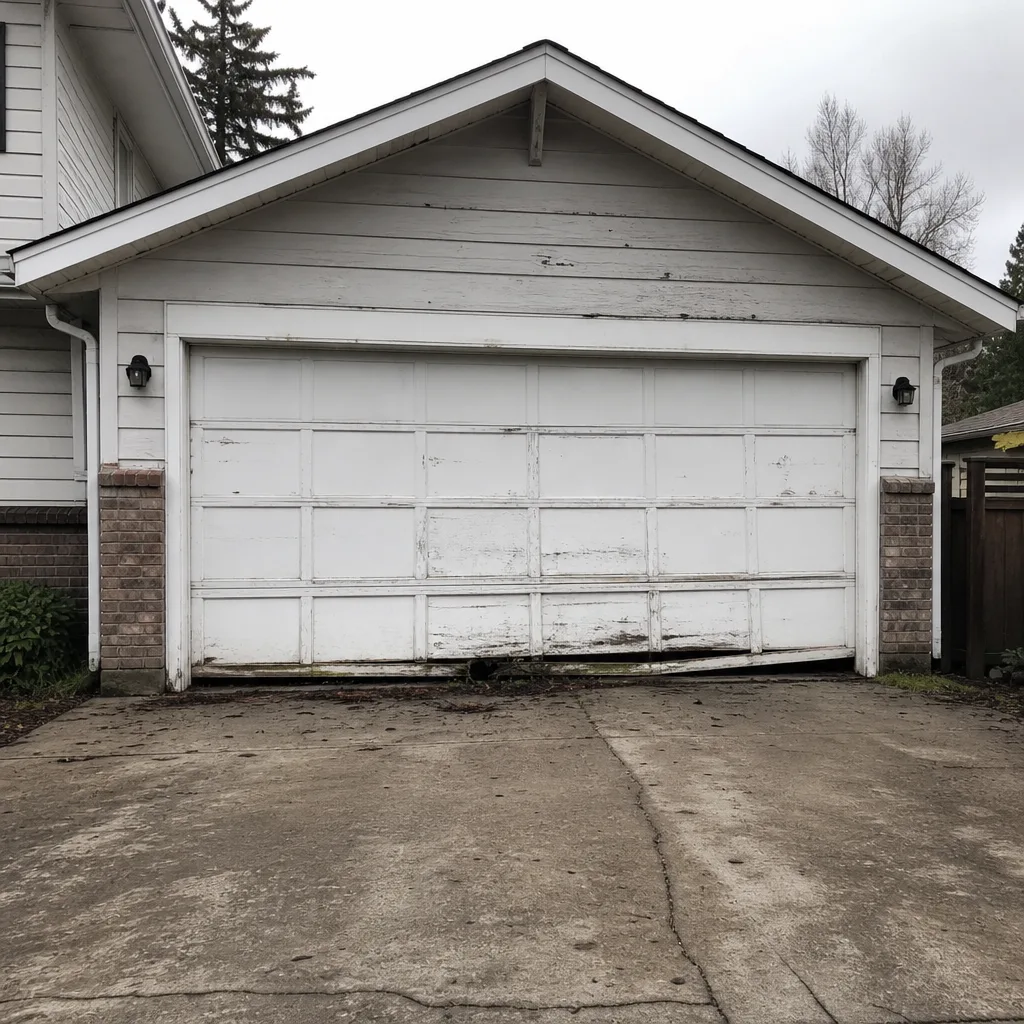 Before
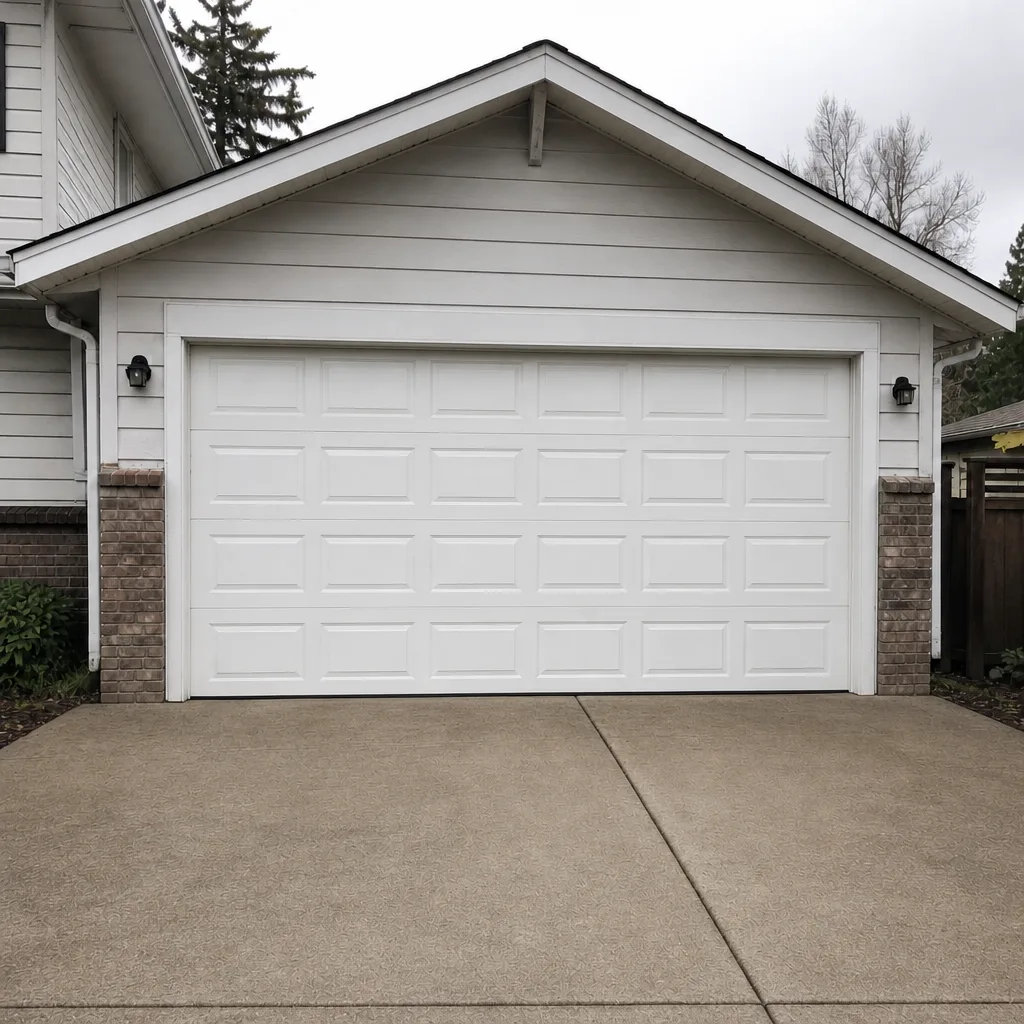 After
 Before
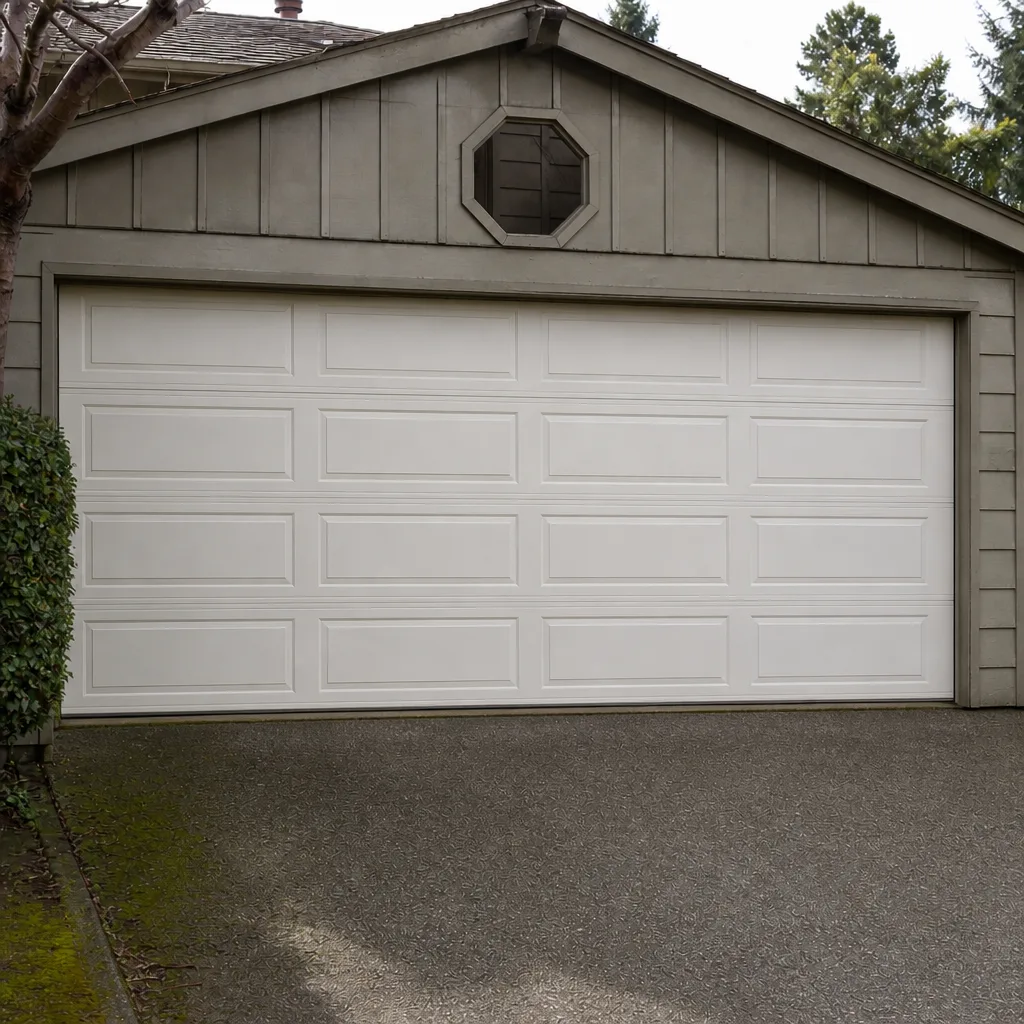 After
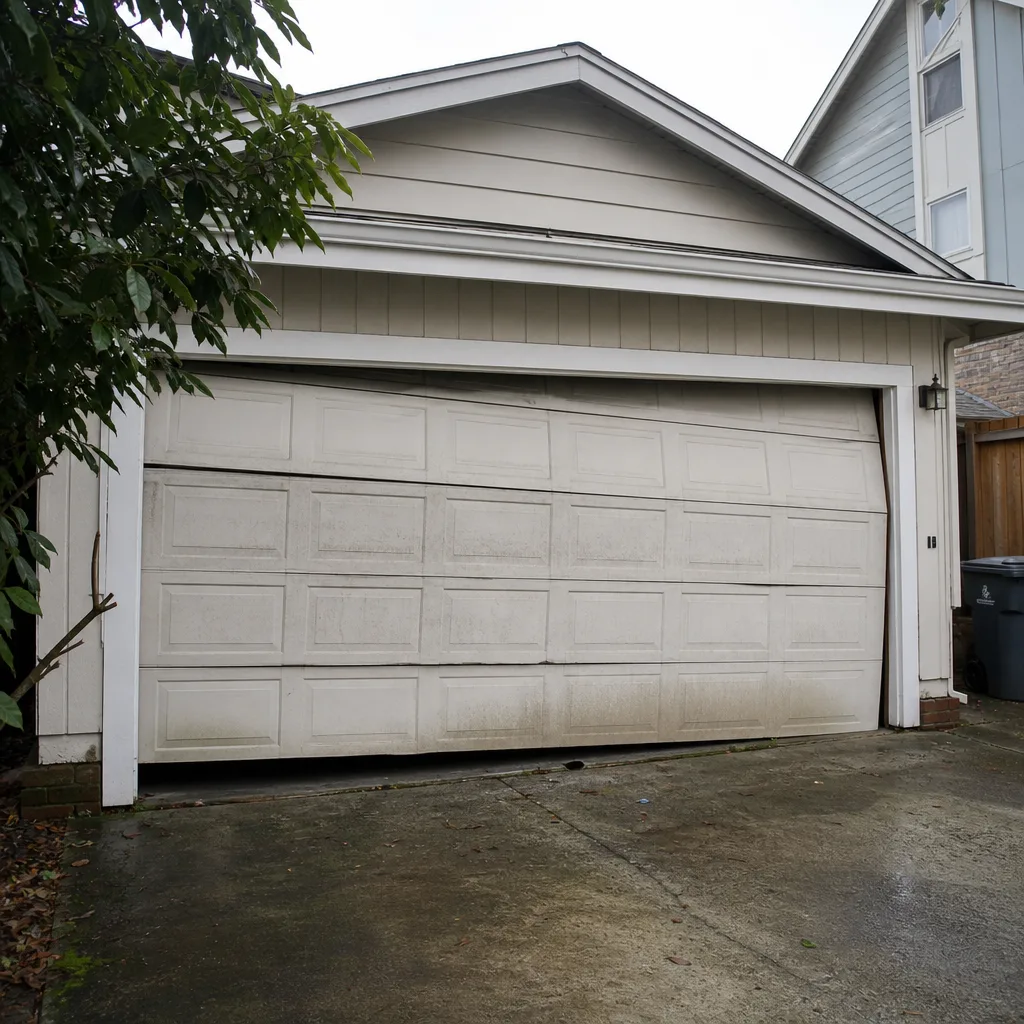 Before
 After
When to Call a Professional
The signs that justify a call are not subtle once you know them. A popping or grinding noise that repeats every cycle. A door that fails the balance check or drifts down when left halfway. A visible gap in a spring coil. A door that reverses, stalls, or won’t close. Cables that look frayed, slack, or have jumped off the drum. Any of these call for a trained visit, not a weekend check-off. Our garage door repair service is built for exactly these situations, and a Kirkland Garage Door Repair Co visit covers the door, springs, and opener together, so nothing gets missed.
Kirkland Garage Door Repair Co offers free estimates in Kirkland. Call (844) 725-1599 and describe the noise, the lag, or the balance check result; we’ll send a technician with the right tools for the brand and door type. If the door is stuck and won’t secure your home, that qualifies as an emergency and we’ll book it in promptly. We answer 24/7. Fast dispatch from 7am to 7pm, Sunday through Friday.
Frequently Asked Questions
A door that opens fine but won’t stay up when you lift it halfway. That failure of the balance check means the spring is close to releasing its stored energy, and a full failure can drop the door and damage the cables, tracks, and panels in an instant. Treat it as a stop-using-the-door sign. Call (844) 725-1599 for a check – estimates are free.
Spring repair in Kirkland typically runs $180 – $340 for a single torsion or extension spring, depending on door size and weight. Most doors are fitted with a matched pair, which is usually replaced together for roughly twice that figure. The written estimate you get on-site is the price; there’s no guessing after the fact. Call (844) 725-1599 for an exact quote – estimates are free.
No, and we recommend against trying. Torsion springs are wound to hold the full weight of the door, and the energy stored in a wound spring releases in a fraction of a second if the winding process goes wrong. The injury risk is severe. Springs, cables, and torsion hardware need a trained technician with the right tools. Call (844) 725-1599 and we’ll handle it safely.
Usually not. A reversing door is nearly always a sensor issue or a force setting telling you the door has developed drag somewhere in the track. Fix the door’s mechanical condition and the opener will typically behave. Before replacing anything, have the door checked. Call (844) 725-1599 for a diagnosis – estimates are free.
A full tune-up once a year, plus the monthly driveway check, is a sensible baseline for most homes here. Kirkland’s damp winters make lubrication intervals matter more than in drier climates, so bearings and hinges benefit from attention more often than once a year. The monthly driveway check catches the big problems early; the annual tune-up catches the small ones.
No, not without your agreement. The estimate is quoted and agreed before any work starts, so the number you accept is the number you pay. If the diagnosis changes once the door is open, we explain what changed and re-quote before proceeding. Call (844) 725-1599 and we’ll book a free estimate.
The Bottom Line
Garage door problems announce themselves early, and the price of catching them early is small. A grinding noise caught this week is a roller and track adjustment. A slow door caught this month is a spring tension check. A door that fails the balance check caught today is a spring replacement. Caught late, any of the three becomes a spring failure, a snapped cable, and a door that has dropped. The other takeaway: the two loudest signs – grinding and popping – usually point to the two most repairable parts, so hearing them is not bad news. It’s a warning shot. For door and opener work across every major brand, the team at Kirkland Garage Door Repair Co is here for the call, and the estimate is free.
Call (844) 725-1599 for a free estimate. We answer 24/7. Fast dispatch from 7am to 7pm, Sunday through Friday. If your door is stuck, won’t stay up, or won’t secure your home right now, describe what you’re seeing and we’ll get a technician to the right job.
Written by the team at Kirkland Garage Door Repair Co.